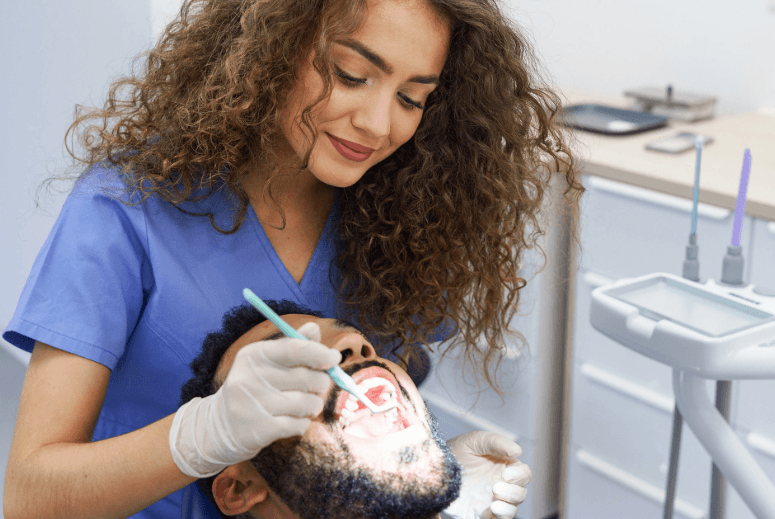
You might be looking in the mirror and thinking, “I invested in my smile. Why am I already worrying about chips, stains, or things coming loose?” You remember the “before” version of your teeth and how much courage it took to move forward with cosmetic treatment. By working closely with a trusted family dentist in Buffalo Grove, you can feel more confident that your investment will last. Now that you finally feel comfortable smiling, the idea of something going wrong can feel both frustrating and a little scary.end
You are not overreacting. Cosmetic dentistry is a real investment of time, money, and emotion. The good news is that most cosmetic work does not suddenly fail. It usually wears down slowly, and with a few smart habits you can keep your veneers, crowns, bonding, and whitening looking good for many years.
In simple terms, you protect your cosmetic results by doing three things. You keep your mouth as clean as possible. You avoid habits that put unusual stress on your teeth. You see a trusted family and cosmetic dentist before small issues turn into big repairs. The six strategies below build on those ideas so you know exactly what to focus on day to day.
Why does cosmetic dental work wear out faster for some people?
Think about everything your teeth go through in a normal day. Hot coffee, cold water, crunchy snacks, late night brushing that sometimes gets rushed. When you add porcelain, bonding materials, or whitening to that mix, there is more that can stain, crack, or loosen if it is not cared for thoughtfully.
The problem is not just “bad brushing.” It is usually a mix of things. Maybe you grind your teeth at night but never wear a nightguard. Maybe you sip soda all afternoon and your mouth stays acidic for hours. Maybe you use your teeth to tear open a package because your hands are full. Each of these habits alone seems small. Put together, they can shorten the life of your cosmetic dental work.
Because of this tension, you might wonder whether you did something wrong or whether the treatment “didn’t work.” In most situations, that is not the case. Materials like porcelain veneers and crowns are strong and well studied. The American Dental Association shares detailed information on materials used for veneers and crowns, and when they are cared for properly they tend to last many years.
So where does that leave you? You cannot control everything, but you can control how you protect your smile at home and how often you let a professional check on it.
Strategy 1: Daily home care that respects your cosmetic work
Brushing and flossing may sound basic, yet they are the single most important way to protect your investment. Plaque, bacteria, and acids do not care if your teeth are natural or restored. They will attack both.
Gentle care is the key. Use a soft toothbrush and non abrasive fluoride toothpaste so you clean without scratching surfaces like porcelain or resin bonding. Brush twice a day for two minutes and floss daily around and between any veneers, crowns, or bonding. The American Dental Association’s guide to healthy home oral care is a helpful reference if you want to check your routine.
If you have had teeth whitening, good home care also slows down the return of stains. It does not stop natural color changes completely, but it can stretch out how long your results stay bright.
Strategy 2: Eating and drinking with your new smile in mind
Food feels harmless, yet your diet can quietly wear down cosmetic work. Hard foods like ice, unpopped popcorn kernels, and very sticky candies can chip the edges of veneers or pull on crowns. Chewing on pens or fingernails has the same effect.
Staining drinks are another concern. Coffee, tea, red wine, and dark sodas can discolor natural teeth faster than materials like porcelain. Over time this can create a mismatch between your restorations and your natural enamel. Drinking water after darker drinks, using a straw when possible, and not “sipping all day” can soften that impact.
None of this means you need a perfect diet. It just means you make small choices that line up with the smile you worked hard to create.
Strategy 3: Address clenching, grinding, and bite stress
Teeth grinding and clenching are some of the most common reasons cosmetic work fails early. Many people do not know they grind at night. They only see the results. Chipped edges, hairline cracks, or sensitivity.
A custom nightguard from a family and cosmetic dentist can protect your veneers, crowns, and bonding from the pressure of grinding. It acts like a barrier and spreads out the force. If you notice jaw soreness in the morning, headaches, or flat looking teeth, it is worth asking about a nightguard at your next visit.
Even during the day, try to keep your teeth slightly apart when you are not chewing. Resting with your teeth constantly clenched, especially during stress, can wear on cosmetic materials over time.
Strategy 4: Choose professional care over quick fixes
It can be tempting to try “DIY” whitening kits or online solutions when your cosmetic work starts to dull or stain. The risk is that strong whitening products can irritate your gums or create uneven color if your natural teeth lighten but your restorations do not.
A trusted cosmetic dentist can help you plan touch ups that make sense. That might mean professional whitening before veneers so everything matches, or using gentle maintenance whitening later without harming your existing work. University based centers such as the UCSF cosmetic dentistry clinic describe many of these treatment options if you want to read more about what is possible.
Professional care may feel like an extra step, yet it often saves you from bigger repairs later, especially when you have already invested in advanced cosmetic treatment.
Strategy 5: Regular checkups to catch small issues early
Cosmetic dentistry is not “set it and forget it.” Tiny gaps, loose edges, or early decay around a crown or veneer usually do not hurt at first. They only show up under a trained eye and good lighting.
Routine visits let your dentist polish away surface stains, smooth rough edges, and check for cracks before they spread. That is how you extend the life of your cosmetic dental treatment and keep it both healthy and attractive.
If you tend to skip checkups because of anxiety or a busy schedule, it can help to think of these visits as maintenance for something you value. Just like you would service a car you rely on, you are simply protecting something important to you.
Strategy 6: Be honest about habits, accidents, and concerns
Life happens. You may bump your mouth, bite something too hard, or notice a small chip while flossing. Many people feel embarrassed and try to hide this from their dentist. That silence only makes repairs more complicated and more expensive later.
When you are open about what happened, your dentist can often repair a chip or reshade a bonded area with a simple visit instead of starting over. Even if you are not sure something is “worth mentioning,” it is better to bring it up and get reassurance than to keep worrying in silence.
Comparing common choices: DIY habits vs professional support
It can help to see how home care and professional care work together to protect cosmetic dental work. The table below lays out a simple comparison.
| Approach | What You Can Do At Home | What Your Dentist Adds | Risk If Ignored |
| Daily cleaning | Brush and floss gently around veneers, crowns, bonding | Professional cleanings to remove hardened tartar and polish restorations | Stains, decay at edges of cosmetic work, gum problems |
| Whitening and color | Limit staining foods and drinks, rinse with water | Safe whitening plans that match natural teeth and restorations | Uneven color, sensitive teeth, possible need to replace restorations early |
| Grinding and clenching | Notice daytime clenching, practice relaxing your jaw | Custom nightguard and bite adjustments if needed | Chipped veneers, cracked crowns, jaw pain |
| Minor chips or damage | Avoid using teeth as tools, avoid very hard foods | Quick repairs with bonding or polishing | Cracks spreading, full replacement of cosmetic work |
What can you do right now to protect your cosmetic dental work?
1. Audit your daily habits
Today, pay attention to how you treat your teeth. Do you chew on ice, pens, or fingernails. Do you sip coffee or soda for hours. Do you sometimes skip flossing because you are tired. Pick one small habit to change this week. For example, stop chewing ice or commit to flossing at night, and build from there.
2. Schedule a “maintenance” visit
If it has been more than six months since your last visit, call your dentist and schedule a checkup focused on your cosmetic work. Ask them to look closely at the edges of veneers, crowns, and bonding. A short appointment now can spare you from a bigger, more stressful visit later.
3. Ask about protection for grinding or sports
If you wake with jaw soreness, have a history of clenching, or play contact sports, talk to your dentist about a nightguard or sports mouthguard. These simple devices can dramatically extend the life of your cosmetic dentistry and your natural teeth at the same time.
See also: Complete Guide to Hypodermic Needles in Modern Healthcare
Moving forward with more confidence about your smile
You do not have to live in constant fear that one wrong bite will ruin your cosmetic dental work. With a few thoughtful habits and a supportive family and cosmetic dentist, you can keep your smile strong, comfortable, and attractive for years.
If you feel a little discouraged because you wish you had known all this sooner, give yourself some grace. You made the best decisions you could with the information you had. Now you have clearer guidance, and every small change you make from today forward will help protect the smile you worked so hard to create.