Your front door does a lot of work. Every day, it regulates the temperature of your home, holds back noise from the street, protects your family from unwanted entry, and forms the first impression anyone gets of your property. Despite carrying all of those responsibilities, front doors are one of the last things most homeowners think about replacing, until the drafts become undeniable or the lock stops cooperating.
When the time does come to replace a front entry door, the material decision shapes everything that follows: how the door looks, how long it lasts, how secure it is, and what it costs to maintain over time. Steel has become the leading choice across Ontario for homeowners who want all of these factors addressed in a single product.
Premium Steel Entry Doors represent a significant improvement over wood and fiberglass alternatives in several specific ways that become apparent once you understand the differences.
Why Steel Outperforms Wood for Modern Entry Doors
Wood doors have a warmth and craftsmanship appeal that is hard to argue against aesthetically. But in Ontario’s climate, wood requires ongoing commitment. It expands in humidity, contracts in dry cold, and needs periodic repainting or refinishing to maintain its appearance and integrity. A solid wood door that was beautiful ten years ago can warp, crack, or swell to the point that it no longer seals properly at the threshold.
Steel doors eliminate all of those maintenance concerns. A quality steel door is built around a steel skin over a foam insulation core. It does not absorb moisture, it does not warp, and it does not require painting every few years. The initial investment tends to pay for itself quickly when you factor in the maintenance costs you are no longer carrying.
Security: Where Steel Has No Equal
For home security purposes, steel doors are simply the most effective option in the residential market. The strength of the steel skin, combined with a properly installed multi-point locking system and reinforced frame, creates a door assembly that is significantly more resistant to forced entry than wood or fiberglass equivalents.
Deadbolts are only as effective as the door and frame they are installed in. A steel door paired with a reinforced steel frame, quality deadbolt hardware, and proper installation creates an entry point that is genuinely difficult to compromise. For homeowners in urban areas or anywhere home security is a priority, this is a meaningful consideration.
Thermal Performance: The Insulated Core Advantage
Modern steel entry doors are not hollow. They are filled with polyurethane foam insulation, which provides a thermal resistance value that solid wood doors cannot match without significantly greater thickness. The foam core minimizes heat transfer, keeping conditioned air inside and outside air where it belongs.
Thermal performance at the entry door matters more than most people realize. An exterior door that seals poorly or conducts significant heat can account for a measurable portion of your home’s heating and cooling loss, especially during the extremes of a Canadian winter.
Magnetic weatherstripping on the door perimeter, combined with proper threshold installation, creates a seal that further reduces air infiltration. The result is a door that feels tight and performs well year-round.
See also: Understanding Pressure Ratings and Flexibility for Industrial Hose Applications
Customization Options That Rival Any Other Material
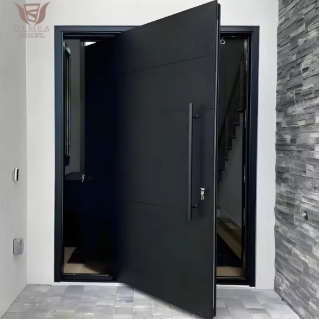
One common misconception about steel doors is that they offer limited design options. Modern steel entry doors can be textured to mimic the look of wood grain, finished in virtually any colour, and fitted with a wide range of decorative glass inserts, sidelites, and transom windows. The surface can be painted and repainted without the adhesion issues that wood can present after years of weathering.
Hardware options are equally broad. From traditional lever handles to contemporary pull bar designs, the aesthetic range is significant. You are not choosing between security and style; with modern steel door systems, you can have both.
Lifespan and Value
A quality steel entry door, properly installed and maintained, can last thirty years or more. Compare this to a wood door that may need attention or full replacement within fifteen years in a harsh climate, and the long-term economics of steel become clear.
From a resale standpoint, a well-chosen entry door upgrade consistently ranks among the highest return-on-investment improvements a homeowner can make. The front door is the literal focal point of a home’s exterior, and buyers notice it. A door that looks sharp, operates smoothly, and signals quality affects perception from the moment someone walks up to the house.
If your current entry door is drafty, difficult to operate, or simply showing its age, steel is worth considering seriously. The combination of security, thermal performance, and low maintenance makes it the most practical and durable option in the market for Ontario homes.