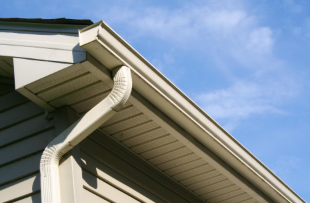
While gutter problems tend to be more evident during a heavy rainstorm – water spilling over the sides or pooling around your home’s foundation – they can often be detected even when the weather is dry. In fact, some of the most important warning signs appear between storms. Recognizing these subtle indicators can help you address drainage issues early, before they become costly damage.
Why Overflow Can Happen Without Rain
Even when it isn’t raining, your gutters can still hold water due to clogs, improper slope, or drainage problems. When water becomes trapped inside your gutter system, it doesn’t evaporate quickly, resulting in lingering moisture that can negatively affect your home’s exterior. Additionally, previous storms could have already caused overflow, the evidence of which is visible long after the rain has stopped.
Visual Clues Along the Roofline
One of the easiest ways to spot signs of gutter overflow is by examining the roofline and gutter edges to look for:
- Water marks or streaks along the outside of gutters
- Dirt trails or residue where water has previously spilled over
- Peeling paint on fascia boards or trim
- Rust spots or corrosion on metal gutters
These are typically good indicators that water has been repeatedly escaping the gutter system, even if you didn’t notice it during a storm.
Signs on Your Siding and Exterior Walls
Overflowing gutters don’t just affect the roof and gutters, they can also leave telltale signs on your home’s siding. Your gutters may be overflowing if you notice:
- Staining or discoloration on the siding below the gutter line
- Green algae or mildew growth caused by constant moisture
- Warping or soft spots in wood or composite siding
- Bubbling or peeling paint in vertical streak patterns
These issues suggest that water has consistently been running down the exterior walls rather than being properly directed through downspouts.
Ground Level Warning Signals
Even without rain, your yard can reveal a lot about how your gutters are performing. Be on the lookout for:
- Soil erosion directly around the base of your home
- Washed-out mulch or landscaping beds
- Pooled water or persistent damp spots near the foundation
- Uneven ground or small trenches formed by repeated runoff
These signs often point to water regularly overflowing and hitting the ground in the same areas.
See also: Smart Technology Trends
What These Signs Mean for Your Drainage System
If you notice any evidence of these issues, there’s a good chance your gutters aren’t draining properly. The most common causes include:
- Clogged gutters or downspouts
- Improper gutter slope impairing water flow
- Insufficient downspout capacity
- Sections of gutters starting to sag
Even though the system may appear to be working during light rain, these underlying issues can quickly worsen and become more obvious during heavier storms.
Fix the Problem Before the Next Storm
The key to preventing gutter overflow is proactive maintenance. Cleaning out debris, checking for proper alignment, and ensuring downspouts are appropriately sized can restore proper water flow.
By paying attention to the subtle signs, even when it isn’t raining, homeowners can identify gutter problems early. Ensuring gutter systems are in good working order before the next storm helps protect your roof, siding, and foundation from the long-term effects of improper water runoff.