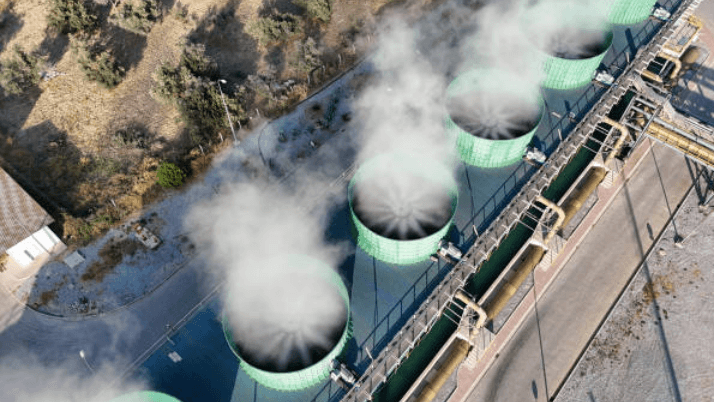
In today’s industrial and commercial environments, maintaining optimal indoor temperatures is essential for productivity, equipment efficiency, and overall comfort. As energy costs continue to rise and sustainability becomes a global priority, businesses are increasingly turning to smarter cooling technologies. One of the most effective modern solutions is the indirect evaporative cooling system, which delivers powerful cooling performance while significantly reducing energy consumption.
This advanced cooling method is transforming how large spaces are cooled, offering an eco-friendly alternative to traditional air conditioning systems.
What Is an Indirect Evaporative Cooling System?
An indirect evaporative cooling system is an innovative air cooling technology that cools air without adding moisture directly into the airstream. Unlike direct evaporative cooling, where air passes through water-soaked pads, the indirect system uses a heat exchanger to transfer heat from the incoming air to a secondary air stream that is cooled by evaporation.
This process ensures that the supply air remains clean, cool, and dry, making it ideal for environments where humidity control is important. It is especially suitable for industrial facilities, warehouses, data centers, and commercial buildings.
How Indirect Evaporative Cooling Works
The working principle of an indirect evaporative cooling system is based on heat exchange and natural evaporation. The system typically operates in the following steps:
- Warm outside air enters the system.
- The air passes through a heat exchanger without coming into direct contact with water.
- A separate air stream is cooled through evaporation.
- Heat is transferred from the warm air stream to the cooled air stream.
- The result is a supply of cooler air delivered into the building.
This process allows for effective cooling without increasing indoor humidity levels, which is a major advantage over traditional evaporative systems.
Benefits of Indirect Evaporative Cooling Systems
The growing popularity of the indirect evaporative cooling system is due to its wide range of benefits. These systems are designed to offer efficient cooling while reducing operational costs and environmental impact.
1. Energy Efficiency
One of the biggest advantages is energy savings. These systems use significantly less electricity compared to conventional air conditioning units, making them ideal for large-scale operations.
2. Environmentally Friendly
Because they rely on water evaporation instead of chemical refrigerants, they produce fewer greenhouse gas emissions and have a lower environmental footprint.
3. Improved Air Quality
Since the air does not come into direct contact with water, the system helps maintain cleaner and healthier indoor air conditions.
4. Cost-Effective Operation
Lower energy consumption translates into reduced electricity bills, making it a cost-efficient cooling solution for businesses.
5. Suitable for Large Spaces
These systems are highly effective in cooling large industrial and commercial areas, including warehouses, factories, and production facilities.
Applications of Indirect Evaporative Cooling Systems
The versatility of the indirect evaporative cooling system makes it suitable for a wide range of industries and environments. Some common applications include:
- Manufacturing plants and factories
- Warehouses and logistics centers
- Data centers and server rooms
- Commercial buildings and offices
- Retail spaces and shopping complexes
In each of these settings, maintaining a stable and comfortable temperature is essential for both people and equipment.
Why Businesses Are Switching to Indirect Cooling Technology
With increasing pressure to reduce energy consumption and adopt sustainable practices, many businesses are moving away from traditional air conditioning systems. The indirect evaporative cooling system offers a practical solution that balances performance with environmental responsibility.
Unlike conventional systems that rely heavily on compressors and refrigerants, this technology uses natural processes to achieve cooling. This not only reduces operating costs but also supports long-term sustainability goals.
Additionally, businesses benefit from lower maintenance requirements, as these systems typically have fewer mechanical components compared to traditional HVAC units.
Comparison with Traditional Cooling Systems
When compared to standard air conditioning systems, the indirect evaporative cooling system stands out in several ways:
- Lower energy usage: Uses natural evaporation instead of energy-intensive compressors
- Reduced operating costs: Significantly lowers electricity bills
- Eco-friendly operation: Minimizes carbon emissions and environmental impact
- Better suitability for large spaces: More efficient in open and semi-open environments
However, it is important to note that traditional systems may still be required in environments with extremely high humidity, where evaporative cooling is less effective.
Design and Efficiency Advantages
Modern indirect evaporative cooling systems are designed with advanced engineering to maximize performance. Features such as high-efficiency heat exchangers, durable construction materials, and automated controls contribute to their reliability and efficiency.
These systems are also scalable, meaning they can be customized to suit different building sizes and cooling requirements. This flexibility makes them a preferred choice for industries with varying operational needs.
Sustainability and Environmental Impact
Sustainability is a key factor driving the adoption of the indirect evaporative cooling system. As global awareness of climate change increases, businesses are actively seeking ways to reduce their environmental impact.
By using water as a natural cooling medium and eliminating the need for harmful refrigerants, these systems help reduce greenhouse gas emissions. They also consume less electricity, which further reduces their overall carbon footprint.
This makes them an important part of green building strategies and energy-efficient infrastructure development.
See also: How Product Review Websites Build Trust and Influence Modern Buying Decisions
Choosing the Right Cooling Solution
When selecting an indirect evaporative cooling system, it is important to consider factors such as:
- Size of the space to be cooled
- Local climate conditions
- Energy efficiency ratings
- Maintenance requirements
- Long-term operating costs
Working with a reliable provider ensures that the system is properly designed and installed for maximum efficiency and performance.
One trusted name in this field is Yesarctic, which offers advanced cooling solutions tailored for industrial and commercial applications.
The Future of Industrial Cooling
As industries continue to evolve, the demand for energy-efficient and sustainable cooling solutions will only increase. The indirect evaporative cooling system represents the future of industrial climate control, combining innovation with environmental responsibility.
With ongoing advancements in technology, these systems are expected to become even more efficient, adaptable, and widely used across various sectors.
Conclusion
The indirect evaporative cooling system is a powerful and sustainable solution for modern cooling needs. It offers significant advantages in terms of energy efficiency, cost savings, and environmental impact, making it an ideal choice for industrial and commercial spaces.
As businesses continue to prioritize sustainability and operational efficiency, this technology is set to play a key role in shaping the future of cooling systems. Whether used in factories, warehouses, or large commercial buildings, it provides a reliable and eco-friendly way to maintain optimal indoor temperatures while reducing energy consumption.