In advanced material science and industrial manufacturing, selecting the right type of additive is essential for achieving high performance and long-term reliability. One of the most important considerations when working with silica-based materials is understanding the hydrophilic hydrophobic difference, as it directly influences how the material behaves in different environments and formulations.
Fumed silica is widely used across industries due to its versatility, but its effectiveness depends heavily on whether it is hydrophilic or hydrophobic. Each type offers distinct properties that make it suitable for specific applications. By understanding these differences, manufacturers can optimize product performance and ensure consistent results.
What is Hydrophilic Silica
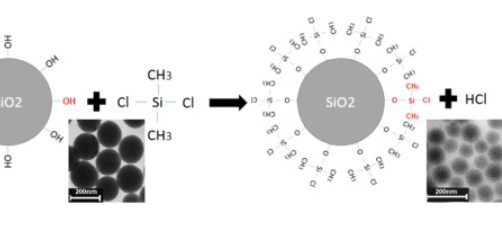
Hydrophilic silica is the untreated form of fumed silica that naturally attracts water. This property comes from the presence of hydroxyl groups on its surface, which interact easily with moisture and polar substances.
Some key characteristics of hydrophilic silica include:
- Strong affinity for water
- Excellent dispersion in aqueous systems
- High thickening efficiency
- Effective stabilization of polar formulations
This type of silica is commonly used in water-based coatings, adhesives, and formulations where moisture interaction is beneficial.
What is Hydrophobic Silica
Hydrophobic silica is produced by chemically modifying the surface of hydrophilic silica. This treatment replaces the hydroxyl groups with non-polar groups, making the material repel water.
Important properties of hydrophobic silica include:
- Water-repellent behavior
- Compatibility with non-polar systems
- Enhanced resistance to moisture
- Improved performance in harsh environments
Hydrophobic silica is widely used in applications where moisture resistance and durability are critical.
Key Hydrophilic Hydrophobic Difference
Understanding the hydrophilic hydrophobic difference is crucial for selecting the right material for specific applications. The differences can be explained through several important aspects.
Water Interaction
Hydrophilic silica absorbs and interacts with water, making it ideal for aqueous systems. In contrast, hydrophobic silica repels water, making it suitable for moisture-sensitive applications.
Surface Chemistry
Hydrophilic silica contains hydroxyl groups, while hydrophobic silica has a chemically modified surface that reduces polarity and improves resistance to water.
Application Compatibility
Hydrophilic silica works best in polar systems such as water-based formulations. Hydrophobic silica is more suitable for non-polar systems and environments exposed to moisture.
Performance Characteristics
Hydrophobic silica provides better resistance to humidity and environmental factors, while hydrophilic silica offers superior dispersion in water-based systems.
Importance in Industrial Applications
Industries rely on the correct type of silica to achieve optimal performance. The ability to understand and apply the hydrophilic hydrophobic difference is essential for improving product stability, durability, and efficiency.
This knowledge allows manufacturers to tailor formulations according to specific requirements, ensuring better performance across a wide range of applications.
Applications of Hydrophilic Silica
Hydrophilic silica is widely used in industries where water compatibility is important. Some common applications include:
- Water-based coatings and paints
- Adhesives and sealants
- Pharmaceutical formulations
- Cosmetic products
Its ability to disperse easily in water makes it highly effective in maintaining stability and consistency.
Applications of Hydrophobic Silica
Hydrophobic silica is preferred in applications where moisture resistance is required. It is commonly used in:
- Silicone sealants and adhesives
- Anti-corrosion coatings
- Electrical insulation materials
- Powdered products requiring moisture protection
Its water-repellent nature makes it ideal for improving durability in challenging environments.
Benefits of Understanding the Difference
Recognizing the differences between hydrophilic and hydrophobic silica offers several advantages.
It improves product stability by ensuring compatibility with the formulation. This helps maintain consistency and prevents separation.
It enhances performance by optimizing properties such as viscosity, strength, and resistance to environmental factors.
It increases durability, allowing products to perform effectively over extended periods.
It supports efficient manufacturing processes by improving flow behavior and application properties.
Factors to Consider When Choosing Silica
Selecting the right type of silica requires careful consideration of several factors.
The nature of the formulation is important. Water-based systems typically require hydrophilic silica, while non-polar systems benefit from hydrophobic silica.
Environmental conditions should also be considered. Applications exposed to moisture or extreme conditions may require hydrophobic silica for better performance.
Compatibility with other components is essential to ensure stability and effectiveness.
See also: Advanced Indirect Evaporative Cooling System for Efficient and Sustainable Temperature Control
Future Trends in Silica Technology
As industries continue to evolve, the demand for advanced materials is increasing. Researchers are developing new silica products with improved performance and sustainability.
Emerging trends include hybrid silica materials, nanotechnology-based innovations, and eco-friendly formulations. These advancements aim to provide better efficiency while reducing environmental impact.
Fumed silica will continue to play a significant role in these developments due to its versatility and adaptability.
Frequently Asked Questions
What is the main hydrophilic hydrophobic difference
Hydrophilic silica attracts water and is suitable for water-based systems, while hydrophobic silica repels water and is ideal for moisture-resistant applications.
Which type of silica is better for coatings
It depends on the formulation. Hydrophilic silica is used in water-based coatings, while hydrophobic silica is preferred for moisture-resistant or solvent-based coatings.
Can both types of silica be used together
Yes, combining both types can help achieve a balance of properties and improve overall performance.
Conclusion
Understanding the hydrophilic hydrophobic difference is essential for selecting the right type of silica for industrial applications. Each type offers unique advantages that can significantly impact product performance and durability.
By carefully evaluating formulation requirements and environmental conditions, manufacturers can make informed decisions that lead to better results. As technology continues to advance, the role of silica in improving product efficiency and innovation will remain more important than ever.