You notice it when you bite down, when your tongue finds the rough edge, or when you catch the tooth in the mirror and see that it no longer looks like itself. A badly damaged tooth can make you worry about pain, cost, and whether your smile will ever look normal again. That concern is justified, which is why many people seek comprehensive dental services in Forest, MS. When a tooth loses a large amount of structure from decay, fracture, or wear, the goal is not just to fill a hole. The goal is to rebuild shape, strength, and function so the tooth works with the rest of your bite and still looks like a real tooth.
That is the heart of How Dentists Recreate Natural Tooth Anatomy After Significant Damage. Dentists study the original form of teeth, then use modern materials and careful planning to restore cusps, grooves, edges, and contact points. Good restorative work protects the tooth, helps you chew comfortably, and lowers the chance of future breakdown.
Natural tooth reconstruction depends on shape as much as strength
When a tooth is heavily damaged, the problem is bigger than a visible chip or cavity. Teeth have ridges that guide chewing, slopes that direct force, and contact points that keep food from packing between teeth. Lose enough of that anatomy and the tooth can become weak, sensitive, hard to clean, and awkward in your bite.
You may have felt this already. Food starts catching in one spot. A filling keeps breaking. You avoid chewing on one side without even thinking about it. Those small daily changes often mean the tooth is no longer functioning the way it should.
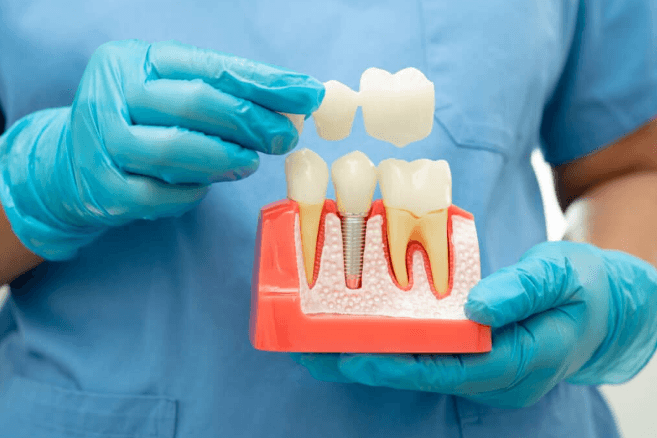
Rebuilding that tooth usually starts with an exam, X rays, and a look at how your upper and lower teeth meet. If the nerve is healthy and enough tooth remains, a dentist may rebuild the tooth with bonded composite. If more support is needed, an inlay, onlay, veneer, or crown may be the better answer. In severe cases, root canal treatment may come first so the tooth can be restored and sealed.
This process is often called rebuilding damaged teeth, but the real work is more exact than that. The dentist is recreating anatomy, not just replacing lost material.
Restorative dentistry uses materials that mimic tooth structure in different ways
Different materials solve different problems. Composite resin can be shaped directly in the mouth and bonded to remaining enamel and dentin. Ceramic restorations can copy light reflection and surface detail very well, which makes them useful when appearance matters and when a tooth needs broader coverage. Metal based options still have a place in some high stress areas, though many patients prefer tooth colored choices.
The science behind these materials keeps improving. The National Institute of Dental and Craniofacial Research offers a detailed review of dental materials used in modern care, including how they are selected for strength, wear resistance, and bonding behavior. The same agency also explains common dental filling options in patient friendly terms.
Material choice affects more than appearance. A back tooth that takes heavy chewing force may need cuspal coverage so the remaining walls do not split later. A front tooth with a broken edge may need layered composite or ceramic so the translucency looks natural. This is where general, cosmetic, and restorative dentistry overlap. Function comes first, then the contour, color, and texture are refined so the restoration disappears into your smile.
Restoring a damaged tooth often balances cost, durability, and appearance
Many people hesitate because they fear paying for a temporary fix twice. That fear makes sense. A small restoration may cost less up front, but if the tooth has lost too much structure, a larger protective restoration can be the more stable choice. Dentists weigh how much healthy tooth remains, where the damage sits, your bite forces, and whether you grind your teeth at night.
Research also matters here. A clinical evidence summary from UT Health San Antonio reviews outcomes related to restoring endodontically treated teeth, which is often relevant when a tooth has had extensive damage or root canal therapy. The key point is simple. The best restoration is the one that matches the tooth’s condition, not the one that sounds smallest or fastest.
| Restoration type | Best used for | Main advantage | Main tradeoff |
|---|---|---|---|
| Direct composite filling | Small to moderate defects | Conservative and usually completed in one visit | May wear or stain over time in high stress areas |
| Inlay or onlay | Moderate to large damage with some strong tooth remaining | Preserves more natural tooth than a full crown | Often needs lab fabrication and careful case selection |
| Full crown | Large fractures, weakened cusps, root canal treated teeth | Protects the tooth by covering most or all visible structure | Requires more reduction of tooth structure |
| Crown with core build up | Teeth with major internal loss of structure | Recreates support before final coverage | More complex and may need additional procedures |
Careful tooth anatomy restoration improves comfort and long term stability
Tooth anatomy restoration is not cosmetic polish added at the end. It affects how the tooth carries force and how easy it is to keep clean. If the biting surface is too flat, chewing can feel off. If contacts are too open, food traps develop. If the restoration is too high, the tooth may feel sore or “hit first” every time you close.
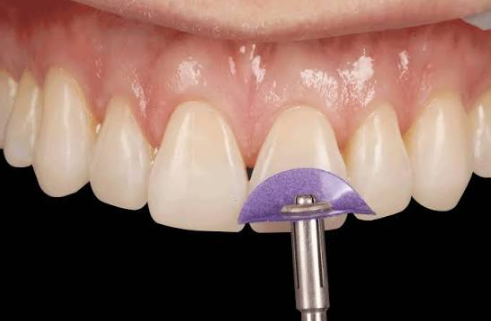
A natural looking result also depends on details most people never notice until they are wrong. Surface texture changes how light reflects. Edge shape changes how a front tooth blends with the one beside it. Shade matching involves more than picking one color from a tab. Teeth have layers, opacity, and translucency. That is why a well restored tooth looks calm and ordinary, which is exactly what most people want.
Three steps help you protect a heavily damaged tooth right away
1. Get the tooth evaluated before it cracks further. Waiting can turn a repairable tooth into one that needs a crown, root canal, or extraction. If you have pain when biting, a missing filling, or a visible fracture, schedule an exam soon.
2. Ask what is being rebuilt and why. You deserve a clear explanation of whether the dentist is restoring a wall, a cusp, a contact point, or full coverage support. That answer tells you how the treatment protects the tooth over time.
3. Protect the final restoration from overload. If you clench or grind, ask about a night guard. If you chew ice or open packages with your teeth, stop now. Even the best restorative dentistry work lasts longer when the forces on it are controlled.
A damaged tooth can look and feel like a small problem until it starts affecting every meal, every photo, and every dental visit after that. The good news is that modern dentistry can rebuild lost structure with a level of precision that respects both function and appearance. If a tooth has been breaking down piece by piece, now is the time to get it assessed and discuss the restoration that gives it the best chance to last.