You may be ready to brighten your smile, smooth fine lines, or improve a feature that has bothered you for years. That excitement is real, but so is the pressure. Cosmetic treatments often look simple from the outside, and the marketing around them can make it seem like you can book a procedure and be done. The part people miss is that appearance sits on top of health, which is why advanced cosmetic dentistry in Salinas should begin with a strong foundation. If the foundation is weak, the result rarely holds up the way you hoped.
Why preventive care is essential before beginning cosmetic treatments comes down to one thing. Healthy skin, teeth, and gums respond better, heal better, and usually need fewer corrections later. Preventive care also helps catch problems early, when they are easier and less expensive to treat. Whether you are considering whitening, veneers, injectables, or another aesthetic service, the smartest first step is making sure your baseline health is in good shape.
Cosmetic results depend on what is happening underneath
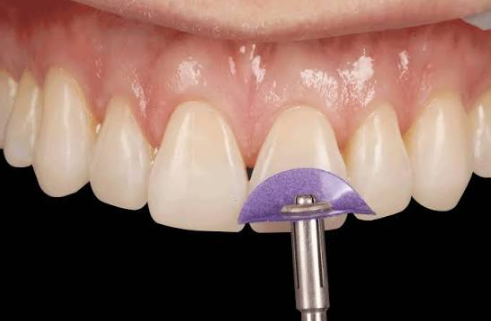
A cosmetic treatment can improve color, shape, or texture, but it does not erase infection, inflammation, or untreated disease. In dental care, that matters more than many people realize. A person may want veneers because their teeth look worn or uneven, but if gum disease or decay is present, placing cosmetic work first can lock in bigger problems. The same goes for whitening on teeth with cavities or sensitivity. The treatment may make the issue harder to ignore, not easier to solve.
This is where a preventive care before cosmetic procedures mindset protects you. Cleanings, exams, x-rays when needed, gum evaluations, and a review of habits like grinding or clenching tell a fuller story. In skin and facial aesthetics, the principle is similar. According to the NIH guidance on healthy skin, basic skin health habits affect how your skin functions and recovers. If the skin barrier is irritated or damaged, cosmetic products and procedures may lead to more redness, breakouts, or poor healing.
You feel this most when time and money are already tight. You want one appointment, one bill, one fix. Then a provider tells you there is inflammation, decay, sensitivity, or another issue that needs attention first. That can feel frustrating, even unfair. Still, skipping the preventive step often leads to more appointments and higher costs later.
Ignoring preventive care often turns a cosmetic plan into a repair plan
Cosmetic care should be planned, not rushed. If your gums bleed during brushing, your enamel is thinning, or your skin reacts to basic products, those are not side notes. They are warning signs. A treatment that looks beautiful on day one can fail early if the tissue around it is unhealthy.
Think about a patient who wants bonding or veneers to improve chipped front teeth. If they grind at night and that has not been addressed, the new cosmetic work may chip too. Or take someone interested in facial products or treatments without checking ingredients first. The FDA page on cosmetic products explains why understanding product safety and labeling matters. Reactions, irritation, and misuse are more likely when a person starts with little guidance and no review of their current skin condition.
Good screening also helps you ask better questions. The American Academy of Dermatology offers a useful guide on questions to ask before cosmetic treatment. That kind of preparation shifts you out of guesswork. You stop chasing a quick result and start making decisions that fit your health, your goals, and your budget.
Preventive care lowers risk and improves long term cosmetic outcomes
Preparing for cosmetic treatment is not about slowing you down for no reason. It is about reducing avoidable setbacks. Preventive care can lower the chance of pain, infection, staining around old dental work, gum recession, uneven results, prolonged healing, and retreatment. It also gives your provider a clean starting point, which matters when color matching, shaping, contouring, or planning timing around events.
For a family and cosmetic dentist, prevention is often the difference between cosmetic work that blends naturally and work that becomes hard to maintain. A healthy mouth gives better support to whitening, bonding, veneers, clear aligners, and other aesthetic services. The same logic applies to cosmetic care more broadly. Healthy tissue handles change better.
| Starting Point | What Usually Happens | Likely Cost Impact | Long Term Effect |
| Preventive exam and treatment first | Issues like decay, gum inflammation, sensitivity, or irritation are found early | Lower chance of paying for revisions or emergency care | More stable cosmetic result and smoother healing |
| Cosmetic treatment first | Hidden problems may worsen under or around the cosmetic work | Higher chance of added treatment, replacement, or repair | Shorter lifespan of results and more frustration |
| DIY products without screening | Results vary and irritation or sensitivity is more common | Money spent on products that may not be safe or effective for you | Possible delay before professional treatment can begin |
Three steps you can take before any cosmetic treatment
Book a preventive evaluation first. Start with a full check of the area you want treated. In dentistry, that means an exam, cleaning, and a review of gum health, decay, bite issues, and sensitivity. If your goal is a better smile, this step often reveals what is cosmetic and what is health related.
List your symptoms, habits, and products. Write down anything that seems minor, such as bleeding gums, jaw clenching, tooth sensitivity, dry skin, flaking, redness, or reactions to products. Small details change treatment choices. They also help your provider prevent complications before they start.
Ask how prevention affects the final result. Do not settle for a surface level plan. Ask what needs to be treated first, how long healing may take, what maintenance will look like, and what could shorten the life of the result. This is where smart cosmetic care begins. It is also where a generic cosmetic treatment plan becomes a personal one.
Healthy foundations make cosmetic care worth the investment
You are not being difficult by slowing down and asking for a preventive check first. You are protecting your time, your money, and your health. Cosmetic improvements should feel good when they are done, and they should still make sense months later. That is much more likely when the foundation is healthy from the start.
If you are thinking about improving your smile, a family and cosmetic dentist can help you sort out what needs prevention first and what cosmetic options fit once that care is in place.