Introduction
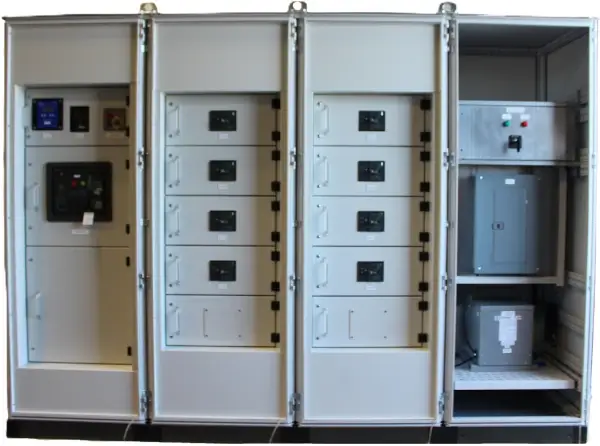
Industrial environments depend on safe, controlled, and reliable power distribution systems to keep machinery, production lines, and critical infrastructure running without interruption. One of the most essential components in this setup is the heavy duty power switch board, designed to manage, isolate, and distribute electrical power across multiple circuits efficiently.
Unlike standard switchboards used in residential or small commercial spaces, industrial-grade switch boards are built to handle high electrical loads, harsh operating conditions, and continuous usage. They act as the central control point for electrical distribution, ensuring that power is delivered safely and efficiently to various machines and systems within a facility.
With growing industrial automation and increasing energy demand, heavy duty switch boards have become more advanced, incorporating better safety mechanisms, higher durability, and improved operational efficiency.
Understanding Heavy Duty Power Switch Boards
What Is a Power Switch Board?
A power switch board is an electrical panel that distributes electricity from a main source to different circuits. In industrial applications, it also provides protection, control, and isolation for heavy machinery and electrical systems.
A heavy duty version is specifically engineered to handle:
- High voltage and high current loads
- Continuous industrial operations
- Multiple connected machines and systems
- Harsh environmental conditions
It serves as the backbone of electrical distribution in factories, plants, and large commercial facilities.
Importance in Industrial Systems
In industrial setups, uninterrupted power is critical. A heavy duty switch board ensures:
- Controlled power distribution
- Protection from electrical faults
- Safe operation of machinery
- Efficient load management
Without a reliable switch board, industrial operations face risks such as downtime, equipment damage, and safety hazards.
Key Features of Heavy Duty Power Switch Boards
Robust Construction and Design
Industrial switch boards are built using high-strength materials such as:
- Powder-coated steel enclosures
- Corrosion-resistant metal housing
- Heat-resistant internal components
This ensures durability even in demanding environments like factories, mines, and processing plants.
High Load Handling Capacity
These switch boards are designed to manage large electrical loads, making them suitable for:
- Heavy machinery
- Industrial motors
- Conveyor systems
- HVAC systems in large facilities
They can handle fluctuating loads without compromising performance.
Advanced Safety Mechanisms
Safety is a top priority in industrial electrical systems. Heavy duty switch boards include:
- Circuit breakers for overload protection
- Short circuit protection systems
- Surge protection devices
- Earth leakage protection
These features help prevent electrical accidents and equipment damage.
Applications in Industrial Environments
Manufacturing Plants
In manufacturing units, switch boards are used to control power supply to:
- Production machinery
- Assembly lines
- Robotic systems
- Control panels
They ensure smooth and uninterrupted production processes.
Processing Industries
Industries such as food processing, chemical plants, and textile factories rely on switch boards for:
- Continuous machine operation
- Temperature control systems
- Conveyor belts
- Safety equipment
Stable power distribution is essential for maintaining product quality and efficiency.
Heavy Engineering and Mining
In heavy-duty sectors, switch boards manage power for:
- Drilling equipment
- Crushers and loaders
- High-power motors
- Industrial pumps
These environments require extremely durable and reliable electrical systems.
See also: AI Technology Mattress: Transforming Sleep with Smart Innovation
Design and Engineering Aspects
Modular Structure
Modern heavy duty switch boards are designed with a modular approach, allowing:
- Easy expansion of circuits
- Flexible configuration
- Simplified maintenance
This makes them suitable for growing industrial setups.
Efficient Heat Management
Heat buildup is a major concern in industrial electrical systems. Switch boards are equipped with:
- Ventilation systems
- Heat-resistant insulation
- Cooling fans in advanced models
This ensures stable performance under continuous load conditions.
Compact Yet Powerful Design
Despite handling large loads, modern switch boards are designed to be:
- Space-efficient
- Easy to install
- Organized for quick access
This improves usability in complex industrial layouts.
Safety Features in Industrial Switch Boards
Circuit Protection Systems
Switch boards include protective devices such as:
- Miniature circuit breakers (MCBs)
- Molded case circuit breakers (MCCBs)
- Fuses and isolators
These protect equipment from overload and short circuits.
Emergency Shutoff Systems
In case of electrical faults or emergencies, switch boards allow:
- Quick power disconnection
- Emergency shutdown of systems
- Isolation of faulty circuits
This helps prevent major accidents and damage.
Grounding and Earthing Protection
Proper grounding ensures:
- Safe discharge of excess electricity
- Protection from electrical shocks
- System stability during faults
It is a critical safety requirement in industrial environments.
Benefits of Heavy Duty Power Switch Boards
Reliable Power Distribution
They ensure electricity is distributed evenly and safely across multiple systems, preventing overload and ensuring efficiency.
Reduced Downtime
With built-in protection systems, switch boards help reduce unexpected breakdowns, leading to:
- Less production loss
- Improved operational efficiency
- Better equipment lifespan
Improved Operational Control
Operators can monitor and control electrical distribution easily, allowing:
- Better load management
- Efficient energy usage
- Quick fault detection
Long-Term Durability
Built with industrial-grade materials, these switch boards offer:
- Resistance to wear and tear
- Long service life
- Low maintenance requirements
How to Choose the Right Switch Board
Load Capacity Requirements
Before selecting a switch board, it is important to assess:
- Total connected load
- Peak power demand
- Future expansion needs
Choosing the correct capacity ensures safe and efficient operation.
Environmental Conditions
Industrial environments vary widely. Switch boards must be selected based on:
- Temperature conditions
- Dust and moisture levels
- Corrosive or chemical exposure
Proper enclosure ratings help ensure durability.
Safety Standards Compliance
Always ensure the switch board complies with:
- Electrical safety standards
- Industrial regulations
- Quality certification requirements
This guarantees safe and reliable performance.
Installation and Maintenance Practices
Proper Installation Guidelines
For safe operation:
- Install in a dry and ventilated area
- Ensure proper grounding
- Follow wiring diagrams accurately
- Use trained professionals for setup
Correct installation is essential for safety.
Routine Maintenance
Regular maintenance includes:
- Inspecting wiring connections
- Cleaning dust and debris
- Checking circuit breakers
- Testing safety systems
This helps maintain long-term performance.
Load Monitoring
Continuous monitoring ensures:
- Balanced power distribution
- Prevention of overload
- Improved system efficiency
Overloading should always be avoided.
Future Trends in Industrial Switch Boards
Smart Monitoring Systems
Future switch boards are expected to include:
- Digital load monitoring
- Remote control capabilities
- Real-time fault detection
Energy Efficiency Integration
New designs focus on:
- Reduced energy losses
- Smart energy distribution
- Optimization of industrial power usage
Automation Compatibility
Modern switch boards will integrate with:
- Industrial automation systems
- IoT-based monitoring tools
- Smart factory setups
This improves efficiency and control.
Conclusion
A heavy duty power switch board is a critical component in industrial power distribution systems. It ensures safe, efficient, and controlled electricity flow to various machines and processes, making it indispensable in manufacturing, processing, and heavy engineering industries.
With features like robust construction, advanced safety systems, and high load capacity, these switch boards provide reliability and long-term durability. As industries continue to evolve toward automation and smart energy management, advanced switch board systems will play an even more important role in ensuring stable and efficient industrial operations.