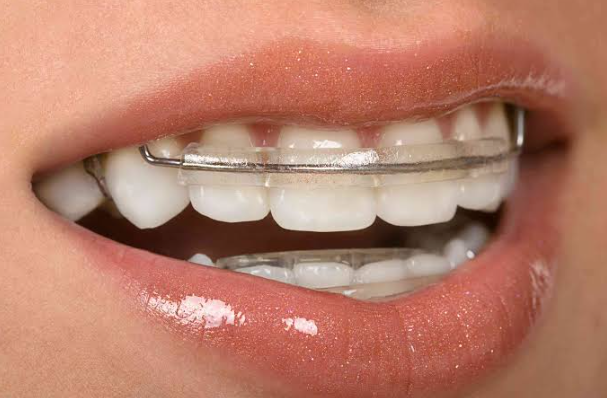
You finally get your braces off or finish clear aligners, and there is a rush of relief. Your teeth look straight. Your mouth feels lighter. You want to enjoy the result and stop thinking about appointments, trays, wires, and rules. Then you hear one more instruction. Wear your retainer. For a lot of people, that feels like the part they did not sign up for. If you began with braces designed for your smile in Jamestown, keeping up with your retainer helps protect the result you worked so hard to achieve.
If you are tempted to skip it, you are not alone. Teeth do not stay put just because treatment ended. They have memory, the bone around them is still settling, and daily pressure from chewing, clenching, and even sleeping can shift them. That is why the importance of retainers after orthodontic treatment is not a small detail. It is what protects the time, money, and effort you already put into your smile.
Retainers protect the results of orthodontic treatment
After teeth move into better positions, the tissues around them need time to adapt. Without a retainer, teeth can begin drifting back, sometimes within weeks. This is called relapse, and it can happen even when your teeth looked perfect on the day treatment ended. The American Dental Association explains the basics of braces and retention on its braces overview, and the message is simple. Straightening teeth is one phase. Keeping them straight is the next one.
You may notice the first signs in small ways. A front tooth starts to overlap slightly. Floss feels tighter between certain teeth. Your retainer suddenly feels snug because you skipped a few nights. That snug feeling is not random. It often means your teeth already started to move.
This is where many people get frustrated. You finished care with an orthodontist because you wanted an end point, not a lifetime reminder. The hard part is that retention is often long term. In many cases, nightly wear becomes the routine that keeps your smile stable for years.
See also: Smart Technology in Daily Life
Teeth can shift for reasons that have nothing to do with braces
Even people who never had braces can have crowding or spacing changes over time. Age, grinding, jaw growth, missing teeth, and gum problems can all affect alignment. MedlinePlus offers a helpful overview of orthodontia and why tooth position matters for both appearance and oral health.
That is why retainer wear after braces matters so much. Your teeth are not fixed in concrete. They sit in living bone and respond to pressure. If wisdom teeth, clenching, or untreated dental issues are part of the picture, movement can become more noticeable. A retainer helps hold the line while your bite settles and your mouth adjusts.
There is also the financial side. Repeating treatment because you stopped wearing a retainer can mean new scans, new appliances, and more office visits. People often focus on the cost of braces or aligners, then lose sight of the small habit that protects that investment. Wearing a retainer is usually the lowest effort part of the whole process, but it has the biggest effect on keeping the result.
Retainers support oral health, not just appearance
Straight teeth are often easier to clean because there are fewer crowded areas trapping plaque and food. If teeth shift back, brushing and flossing can get harder again. In some cases, relapse can also affect bite balance, which may lead to uneven wear or strain. MedlinePlus notes that misalignment can affect more than looks in its page on malocclusion.
This is one reason many patients keep a long relationship with their orthodontist even after active treatment ends. Retainers are not a cosmetic afterthought. They are part of the full plan.
Daily retainer habits make the difference
| Habit | Likely Result | What It Often Leads To |
|---|---|---|
| Wear your retainer as instructed | Teeth stay stable | Fewer adjustments and lower long term cost |
| Skip a few nights here and there | Retainer feels tight | Early tooth movement that may still be reversible |
| Stop wearing it for weeks or months | Noticeable shifting | Retainer may not fit and retreatment may be needed |
| Lose or break the retainer and wait too long | Unprotected teeth | Movement that makes replacement less effective |
If you have a removable retainer, consistency matters more than perfection. Keep it in the same case every time it is out. Clean it the way your provider recommends. Do not wrap it in a napkin at restaurants unless you want it thrown away by accident. If you have a fixed retainer, keep up with flossing and routine dental cleanings so buildup does not collect around the wire.
Orthodontic retention is often the quiet phase that people underestimate. It does not feel dramatic, so it is easy to ignore. That is exactly why it works best when it becomes automatic, like brushing your teeth before bed.
Three steps you can take right now
Follow the wear schedule you were given. If your orthodontist said full time for a period, do that. If you were moved to nights only, stick to nights only. Guessing usually leads to underwearing, and underwearing leads to movement.
Replace a lost or broken retainer fast. Do not wait and hope your teeth stay put. Call for a replacement as soon as you notice the problem. Days matter more than most people realize.
Pay attention to fit. A retainer that feels tighter than usual is giving you useful information. Teeth may be shifting. If it no longer fits, do not force it. Contact your orthodontic office and ask what to do next.
Keeping your smile straight is an ongoing part of care
Getting your teeth straight took commitment, and keeping them that way takes a smaller, steadier kind of commitment. That is the real value behind the importance of retainers after orthodontic treatment. A retainer protects your bite, your appearance, and the work you already finished. If yours feels tight, does not fit, or has been sitting in a drawer for too long, reach out to an orthodontist and get clear guidance before small changes turn into bigger ones.