You stand in the dental aisle, staring at rows of toothbrushes, whitening pastes, sensitivity formulas, charcoal options, gum care labels, soft bristles, extra soft bristles, electric heads, manual handles, and it all starts to feel like a test you never studied for. A lot of people feel that way, especially when searching for dental care in Lutz, FL. Brushing your teeth sounds simple until the packaging starts making promises and your mouth has its own set of problems.
This is where a general dentist helps. The right toothbrush and toothpaste are not the same for everyone, and the wrong choice can leave you dealing with more sensitivity, irritated gums, worn enamel, or plaque that never seems to go away. Choosing the right toothbrush and toothpaste usually comes down to a few things your dentist checks right away, including your gum health, enamel wear, cavities, dental work, dry mouth, and how you actually brush at home.
Dentists match toothbrush and toothpaste choices to your mouth, not the marketing
Most people do not need the most expensive brush or the strongest sounding toothpaste. They need the one that fits their teeth, gums, habits, and risks. A dentist looks at what is happening in your mouth and works backward from there.
If your gums bleed, a hard bristle brush is often part of the problem. If your teeth feel sore with cold drinks, a whitening toothpaste may be making that worse. If you have crowns, veneers, braces, recession, or dry mouth, your home care needs more thought than a generic “cavity protection” label can give you.
That is why dentist advice for toothbrush and toothpaste matters. A dentist can spot patterns you may not notice, like brushing too hard, missing the gumline, or using an abrasive paste that slowly wears down exposed root surfaces. The issue is not only what you buy. It is how those products interact with your mouth every day.
Older adults often need a different plan than teenagers. Someone with arthritis may do better with an electric toothbrush because grip and motion are harder. Someone with frequent cavities may need fluoride support. The National Institute on Aging’s guidance on taking care of your teeth and mouth also points out that brushing, flossing, and regular dental care all matter more as mouths change with age, medication use, and gum recession.
See also: Smart Technology in Daily Life
Toothbrush choice affects plaque removal, gum health, and enamel wear
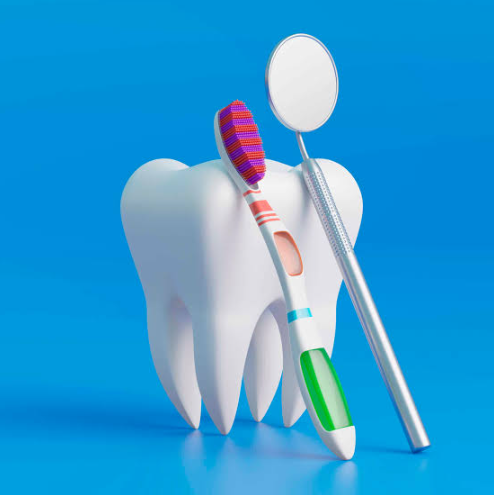
Dentists often recommend a soft bristle toothbrush because it cleans effectively without scraping the gums and enamel. Hard bristles can feel like they are doing more, but that harsh feeling is not better cleaning. It can mean damage over time, especially near the gumline.
Manual and electric toothbrushes can both work well when used properly. The difference is often technique and consistency. If you rush, scrub hard, or miss areas in the back, an electric brush may help because it does more of the motion for you. If you already brush gently and thoroughly with a manual brush, you may not need to switch.
A dentist also considers brush head size. A smaller head can make it easier to reach tight areas, especially if you have a small mouth, crowding, or wisdom tooth pockets. Handle shape matters too when hand strength is limited.
Toothpaste recommendations depend on cavities, sensitivity, whitening goals, and dry mouth
Toothpaste is not one category. It is a group of products built for different problems. That is where confusion starts. One person wants whiter teeth. Another wants pain relief. Another keeps getting cavities even though they brush twice a day.
Fluoride is a common part of professional recommendations because it helps strengthen enamel and lower cavity risk. The CDC explains how fluoride protects teeth by helping prevent tooth decay and even repairing early damage before it becomes a cavity.
If your teeth are sensitive, your dentist may suggest a toothpaste made for sensitivity rather than a whitening formula. If your mouth is dry from medication, they may recommend a gentler paste and added moisture support. If you have stain buildup from coffee, tea, or smoking, the goal is to remove stains without using a product that is too abrasive for daily use.
Picking a toothbrush and toothpaste without that context can lead to a cycle a lot of people know well. You buy what sounds strongest, your mouth feels worse, then you switch again and hope for the best.
A simple comparison makes dental product choices easier
| Concern | Often Helps | Can Make It Worse |
|---|---|---|
| Bleeding or tender gums | Soft bristle brush, gentle technique, gum care toothpaste | Hard bristles, aggressive scrubbing |
| Tooth sensitivity | Sensitivity toothpaste, soft brush, light pressure | Whitening pastes with high abrasion, hard brushing |
| Frequent cavities | Fluoride toothpaste, better brushing coverage, regular dental visits | Inconsistent brushing, skipping fluoride |
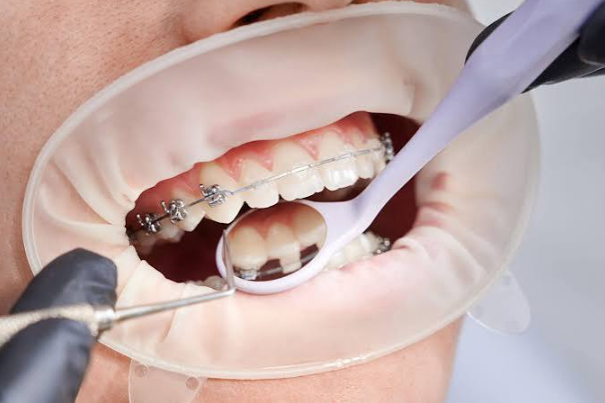
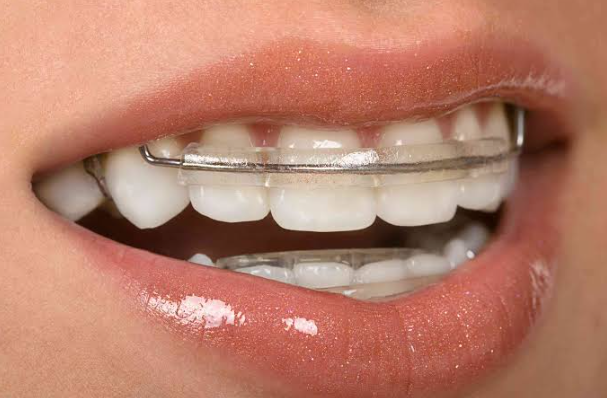
| Braces, crowns, or bridges | Small brush head, electric brush in some cases, targeted cleaning tools | Large brush heads, missed edges around dental work |
| Limited hand strength | Electric toothbrush with easy grip | Manual brushing that feels tiring or incomplete |
The American Dental Association’s home oral care recommendations support what dentists see every day. Daily brushing and flossing matter, but the best routine is one you can do well and keep doing.
Small changes at home can improve your brushing routine fast
Check the bristles and the label. Start with a soft bristle toothbrush and a fluoride toothpaste unless your dentist has told you to use something else. If your toothpaste burns, makes your teeth ache, or leaves your mouth feeling raw, bring it up at your next visit.
Pay attention to what your mouth is telling you. Bleeding gums, cold sensitivity, dry mouth, and gumline notches are clues. They are not random. They help your dentist narrow down whether the problem is pressure, product choice, decay risk, or gum disease.
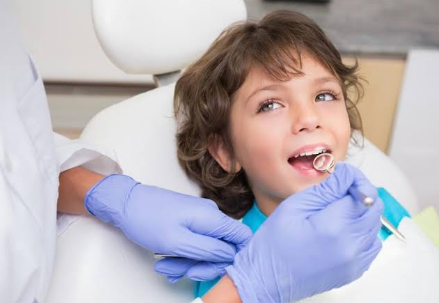
Bring your products to your appointment. If you are not sure whether your brush or toothpaste is helping, take them with you. A general dentist can look at the ingredients, the bristle type, and your brushing wear patterns and give you a more exact recommendation than shelf labels ever will.
The right dental care routine feels simpler once the guesswork is gone
You do not need a crowded bathroom shelf or a complicated routine. You need tools that fit your mouth and habits, and a dentist who can explain why one option makes more sense than another. That kind of guidance saves time, money, and a lot of frustration.
If you have been guessing, switch from trial and error to a plan built around your teeth, gums, and daily routine. Schedule a visit with a general dentist and get clear advice on the toothbrush and toothpaste that actually fit your needs.