You already have enough to juggle. School drop offs, work calls, traffic, lunch you forgot to eat, and then a visit to an orthodontic clinic in Cincinnati lands in the middle of the day and throws everything off. For many people, the treatment itself is not the hardest part. It is the time around it. Waiting rooms, long adjustments, numb cheeks, missed class, missed work, and the feeling that one visit can take over the whole afternoon.
That is why shorter appointments can be such a relief for some patients. They do not mean rushed care or lower standards. In the right case, they can mean more focused treatment, less disruption, and a plan that fits real life better. Shorter orthodontic visits can work well when the treatment approach is efficient, the case is straightforward, and the office is organized around what you actually need.
Efficient orthodontic care can reduce stress without cutting corners
If you have ever sat through a long dental or orthodontic visit, you know how draining it feels. Your jaw gets tired. Your child gets restless. You start thinking about everything waiting for you once you leave. That stress can build up over months of treatment, especially when appointments are frequent.
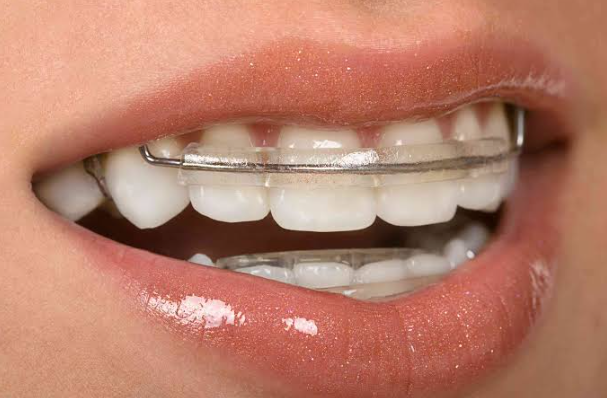
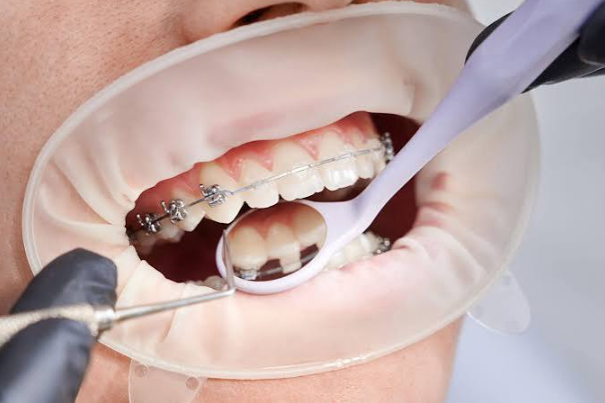
Some forms of orthodontic care naturally lend themselves to shorter visits. Clear aligner check ins are often faster than traditional wire adjustments because there may be fewer in office changes to make. Traditional braces can still be efficient too, especially when the visit is routine and the treatment is progressing as planned. The FDA overview of braces and clear aligners explains how these options differ and why the right choice depends on your needs, not just convenience.
Shorter appointments also help people stay consistent. That matters more than many realize. When visits feel manageable, patients are less likely to postpone them. Delays can stretch treatment longer than expected, which often creates more stress and more cost over time.
See also: Smart Technology in Daily Life
Some orthodontic patients benefit more from shorter visits than others
Not every patient needs the same pace of care. A teen with mild crowding using aligners may need quick progress checks. An adult in braces with a more complex bite issue may need longer visits at certain stages. A child who feels anxious in the chair may do better with shorter, simpler appointments because they leave before that stress takes over.
This is where personalized planning matters. You are not just choosing braces or aligners. You are choosing a treatment rhythm. A good orthodontist looks at tooth movement, oral health, age, compliance, and daily demands. If your schedule is tight or your child struggles with long visits, that is not a small side note. It should shape the care plan.
Research also supports the idea that treatment design and visit structure affect patient experience. A review published in the National Library of Medicine discusses how orthodontic treatment choices influence quality of life, comfort, and satisfaction. Those details matter because treatment is not only about the final smile. It is also about how manageable the process feels while you are living through it.
Shorter orthodontist appointments can improve follow through
People often assume longer appointments must be more productive. That is not always true. In many cases, a shorter, targeted visit gets the job done with less fatigue and less disruption. That can make it easier to keep up with oral hygiene, wear aligners as directed, and return on time for the next visit.
Think about a parent bringing in two kids after school. If each visit runs long, dinner gets pushed back, homework starts late, and the whole evening unravels. Or think about an adult who has to block off half a workday for a simple check. When treatment keeps colliding with life, frustration grows. Some people start skipping appointments, and that is when small problems turn into bigger ones.
Faster orthodontic appointments are not about doing less. They are about matching the visit to the need. If all you need is a progress check, a new aligner set, or a minor adjustment, a shorter appointment can be the better experience.
Comparing shorter and longer orthodontic appointments
| Factor | Shorter Appointments | Longer Appointments |
|---|---|---|
| Best fit | Routine checks, aligner monitoring, simple adjustments, cooperative patients | Complex wire changes, repairs, detailed imaging, difficult tooth movement |
| Impact on daily schedule | Less missed work, school, and family time | More disruption and planning needed |
| Patient comfort | Less chair fatigue, easier for anxious patients and children | Can be tiring, especially for sensitive mouths or nervous patients |
| Risk if overused | Can fall short if the case needs more hands on time | Can feel burdensome if the visit could have been simpler |
| Good outcome depends on | Accurate diagnosis, efficient planning, patient compliance | Thorough execution, close monitoring, patient compliance |
The point is not that one style is always better. It is that the right appointment length depends on your treatment, your comfort, and how well the plan fits your life.
Simple steps can help you get the most from orthodontic treatment
Ask what each appointment is meant to accomplish. If you know whether a visit is a quick check, a repair, or a major adjustment, you can plan better and set realistic expectations. It also helps you understand whether shorter visits are appropriate in your case.
Be honest about your schedule and stress level. If long visits are causing missed work, school problems, or anxiety, say so. A skilled orthodontist can often adjust timing, treatment style, or follow up intervals without sacrificing care.
Follow home instructions closely. Shorter appointments work best when you do your part between visits. Wear aligners for the recommended time, avoid breaking brackets, keep your teeth clean, and report problems early. Good habits at home often mean fewer surprises in the chair.
The right orthodontic plan should fit your life
You do not need treatment to take over your calendar to be effective. For some patients, shorter visits make orthodontic care easier to handle, easier to stick with, and less stressful from start to finish. That matters. When care fits your real life, you are more likely to stay on track and feel good about the process.
If you are considering braces or aligners, ask about appointment length along with treatment options. The right plan should move your teeth and respect your time.