You can put off a dental visit for months over one worry. The sound of the drill. A strong gag reflex. A numb mouth that lasts half the day. The fear of pain is often only part of it. A lot of people dread feeling trapped in the chair, embarrassed about anxiety, or unsure what will happen once treatment starts. That stress is real, and it changes how you care for your teeth, even when considering treatments like dental implants in north Scottsdale.
The good news is that comfort in modern dental care is not an extra perk. It is part of good treatment. Many general dental offices now offer services designed to reduce pain, lower anxiety, and make routine care easier to tolerate. If you have been searching for patient comfort services in dentistry, three options stand out. Local anesthesia, sedation options, and comfort focused tools and amenities can change the whole experience.
General dentistry feels easier when pain control is clear and predictable
The first service that improves comfort is local anesthesia. This is the numbing medicine used to block pain in one area of the mouth during fillings, crowns, extractions, and other common procedures. For many patients, the fear starts before the treatment even begins because they are worried the shot will hurt or the numbness will fail. Once that fear takes over, even a short appointment can feel long.
Clear pain control changes that. A skilled general dentist explains what you will feel, applies topical numbing gel before the injection, and checks that the area is fully numb before starting. That step matters. When you know the team is not rushing past your discomfort, your body tends to settle.
You may also want to ask how long numbness usually lasts and whether the office uses techniques that reduce lingering soft tissue numbness. Details like that help you plan the rest of your day, especially if you need to return to work, drive, or care for children.
If you want a plain language overview of anesthesia and what it does in the body, MedlinePlus offers helpful information on anesthesia and pain control. Even basic knowledge can reduce the fear that comes from not knowing what to expect.
Sedation options help anxious patients receive general dental care
The second service is sedation. This does not always mean being fully asleep. In general dentistry, sedation often means minimal sedation, such as nitrous oxide or oral medication, used to help you stay calm while remaining responsive. That distinction matters because many people hear the word sedation and imagine a hospital setting or a major medical risk.
Minimal sedation is often used for people who avoid treatment because of dental fear, strong gag reflexes, sensory sensitivity, or trouble sitting through longer visits. If you have ever canceled an appointment because your heart started racing the night before, this may be the support that helps you finally get care.
Not every patient needs sedation, and not every procedure calls for it. The right choice depends on your health history, current medications, and the type of treatment planned. The University of Washington School of Dentistry shares useful information about adult minimal sedation in dental practice, which can help you understand how these options are approached.
This is where many people feel torn. They know they need treatment, but they also know that anxiety can make them delay until a small cavity turns into a root canal or extraction. Sedation does not erase every concern, but it can lower the barrier enough to stop that cycle. For some patients, that is the difference between ongoing avoidance and finally getting relief.
Comfort focused technology and simple amenities improve the dental visit
The third service is a group of comfort measures that often get overlooked because they seem small. They are not small when you are in the chair. This can include bite blocks that let your jaw rest, smaller digital scanners instead of messy impression trays, noise reducing options, neck pillows, blankets, and shorter treatment plans broken into manageable visits.
These features matter most for people who feel strain in their jaw, have neck pain, gag easily, or become overwhelmed by the sensory side of treatment. A patient who can stay physically comfortable is less likely to tense up, and less tension often means a smoother visit.
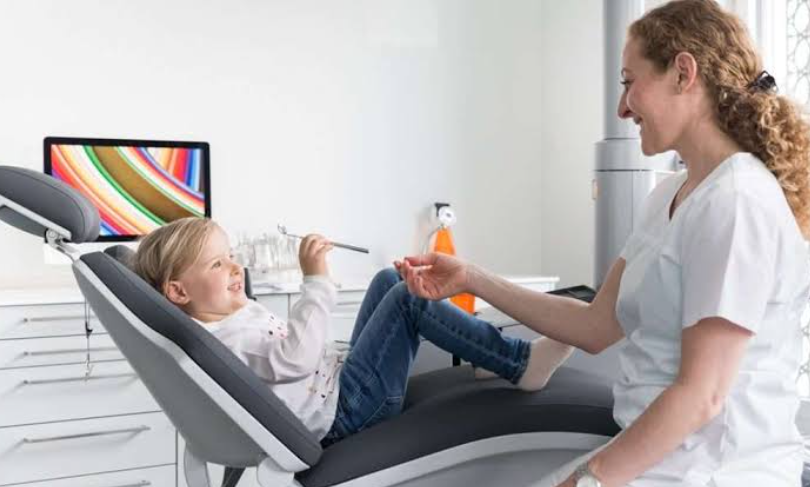
Good comfort dentistry services also include communication. Some offices agree on a hand signal before treatment starts, so you can pause if you need a break. That simple plan gives you back a sense of control. For many adults, that is as important as the clinical work itself.
If you want trusted oral health background from a federal source, the National Institute of Dental and Craniofacial Research provides patient education through its oral health information resources.
Comparing patient comfort options in general dentistry
| Service | Best For | Main Comfort Benefit | Things to Ask About |
|---|---|---|---|
| Local anesthesia | Fillings, crowns, deep cleanings, extractions | Blocks pain in a specific area | How numbness is tested, how long it lasts, whether topical gel is used first |
| Minimal sedation | Dental anxiety, gag reflex, longer visits | Reduces fear and helps you stay calm | Type of sedation, medical screening, recovery time, transportation needs |
| Comfort focused tools and amenities | Jaw soreness, sensory sensitivity, neck strain, impression anxiety | Makes the visit easier to tolerate physically | Digital scanning, bite blocks, blankets, breaks during treatment, hand signals |
Small steps can make your next general dentist visit more comfortable
Ask for a comfort plan before the appointment. Tell the office if you have dental anxiety, a bad past experience, jaw pain, or a strong gag reflex. Ask what they offer for pain control, calming support, and physical comfort. A good office will answer clearly, not brush it off.
Request a shorter first visit if fear is the main barrier. You do not have to start with a long procedure. An exam, consultation, or simple cleaning can help you learn how the office communicates and whether the team respects your limits. That first step often matters more than people expect.
Bring a written list of triggers and medications. Anxiety can make it hard to explain things in the moment. Write down what makes visits hard for you, what has helped before, and any medicines or health conditions that could affect anesthesia or sedation. That gives the dental team what they need to treat you safely and with more care.
See also: How Accounting Firms Support Small Business Cash Flow
Better comfort in dental care helps you stop delaying treatment
When people talk about avoiding the dentist, it often sounds like a bad habit. Usually it is a comfort problem. Pain fears, anxiety, and physical strain make treatment feel harder than it should. The right support can change that. 3 Services That Improve Patient Comfort In General Dentistry are not fancy extras. They are practical tools that help you get care without feeling overwhelmed.
If you have been delaying a visit, ask about anesthesia, sedation, and comfort focused options before you book. The right general dentist should make it easier for you to walk through the door and stay in the chair long enough to get the care you need.