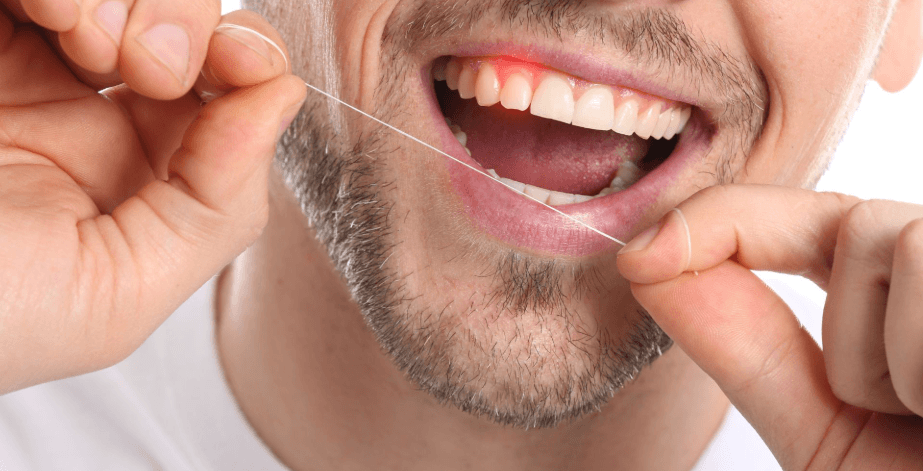
You might not think much about floss until something feels different. One day it slides through your teeth like usual, and the next it starts catching, snapping, or feeling tight in one spot. That kind of change can be easy to brush off, especially if it does not hurt. Still, when flossing starts to feel different, your mouth may be trying to tell you something. In many cases, a change in flossing resistance points to plaque buildup, gum irritation, a filling issue, or a shift in tooth position. It does not always mean something serious, but it does deserve attention before a small problem turns into a bigger one. If you are looking for bilingual dental care in North Scottsdale, it may help to have a professional evaluate the change early.
If you have noticed this and felt a little uneasy, that makes sense. Dental changes often show up in subtle ways first, and it can be hard to know what matters and what does not. Because of that uncertainty, you might wonder whether to wait, change your routine, or call a general dentist. A good rule is simple. If floss suddenly feels tighter, rougher, or more likely to shred in an area where it used to move easily, it is worth paying attention.
What does a sudden change in flossing resistance usually mean?
Floss meets resistance for a reason. Sometimes the cause is harmless, like a piece of food caught between teeth. Other times, it points to tartar near the gumline, swelling in the gums, or a rough edge on dental work. If the floss glides in but struggles on the way out, there may be inflammation or a contact point that has changed. If it frays or tears in the same place over and over, a chipped tooth, old filling, or rough restoration could be involved.
This is where people often get stuck. If there is no pain, is it really a problem? It can be. Gum disease often starts quietly. According to the National Institute of Dental and Craniofacial Research on gum disease, early gum problems may show up as redness, swelling, bleeding, or tenderness. Those changes can also affect how floss moves between your teeth.
There is also the issue of technique. If you have started flossing more often or using a different product, the resistance may reflect the floss itself rather than a new dental issue. The American Dental Association floss guidance explains that floss should curve around each tooth and move gently under the gumline, rather than snapping straight down. A change in method can change how floss feels. Even so, a sudden difference in just one area still deserves a closer look.
Why can a change in flossing resistance be a warning sign?
Small dental problems rarely stay small on their own. Plaque hardens into tartar. Mild gum irritation can deepen into infection. A rough filling can trap more debris and make the area harder to clean. What starts as floss catching in one spot can lead to bleeding, bad breath, soreness, or decay between the teeth.
Think about a common example. You notice floss shreds between two molars for a week or two. You switch floss brands, but it still happens. You stop flossing that area because it is frustrating. Now plaque builds up faster, the gums get puffy, and the space becomes even harder to clean. That is how a minor annoyance can become a reason for treatment.
This is one reason floss getting stuck between teeth should not be ignored. It is not about overreacting. It is about catching a change early, while the fix may still be simple.
How can you tell the difference between routine friction and a real dental concern?
Some resistance is normal. Teeth are meant to contact each other, and floss should not fall through without any contact at all. The question is whether the feeling has changed. If the floss has always been snug in one area and nothing else is different, that may simply be your natural spacing. If it suddenly becomes tight, starts fraying, or is paired with bleeding or odor, that is different.
The same goes for gum health. Healthy gums usually allow floss to slide under the gumline with mild pressure. Inflamed gums can feel tender, swollen, or crowded. Good daily care matters here, and the NIDCR oral hygiene recommendations support brushing twice a day and cleaning between teeth daily to reduce plaque and protect the gums.
| What You Notice | Possible Cause | What To Do |
|---|---|---|
| Floss feels slightly snug, but no pain or bleeding | Normal tooth contact or floss type | Monitor for a few days and review your technique |
| Floss suddenly feels tight in one spot | Plaque buildup, gum swelling, or shifting contact | Keep the area clean and schedule a dental check if it continues |
| Floss shreds or snaps repeatedly | Rough filling, chipped tooth, or tartar edge | Have a general dentist examine the area soon |
| Resistance comes with bleeding or bad breath | Gum inflammation or early periodontal issues | Do not ignore it, arrange an exam and cleaning |
So what should you do if your flossing feels different now?
1. Pay attention to the pattern.
Notice whether the resistance is new, whether it happens in one place or many, and whether the floss catches, shreds, or causes bleeding. A one time issue after eating popcorn is different from a pattern that keeps showing up. This kind of detail helps a dentist narrow down the cause faster.
2. Adjust your flossing method, not your consistency.
Use a gentle sawing motion to guide the floss through the contact point, then curve it around each tooth. Do not force it straight down. If one type of floss keeps fraying, try another style, such as waxed floss or a floss pick, but keep cleaning the area daily unless a dentist tells you otherwise. Stopping often makes the problem worse.
3. Schedule an exam if the change lasts more than a few days.
If the resistance is persistent, localized, or paired with bleeding, soreness, or odor, make an appointment with a dentist. A simple exam may reveal tartar, a rough restoration, or early gum trouble that can be treated before it becomes more expensive or uncomfortable. This is where changes in flossing between teeth matter. They can be one of the first clues that something needs attention.
See also: How Accounting Firms Support Small Business Cash Flow
When is it time to stop watching and get help?
If floss gets stuck often, breaks in the same place, or suddenly feels very tight, it is time to act. The same is true if your gums bleed easily, look swollen, or feel sore. You do not need to wait for tooth pain to justify a visit. Many gum and between the teeth issues begin long before pain appears, and a general dentist can often spot the cause quickly.
It is easy to tell yourself it can wait. Most people do. But when your mouth gives you a new signal, even a small one, paying attention now can save you time, money, and stress later. If flossing feels different than it used to, trust that change enough to have it checked.