You already have enough to keep track of. School forms, work schedules, insurance cards, changing medications, sports physicals, and the quiet mental list of who needs what next. That’s why many households choose family dentistry in Harrisonburg VA, where dental care doesn’t have to be split across different offices, different records, and different opinions. That can work, but it can also turn something simple into one more moving part.
Choosing one family dentist for children, teens, adults, and older relatives brings relief that goes beyond convenience. You get continuity, a clearer picture of your family’s oral health, and a provider who notices changes over time instead of starting from scratch at every visit. That is the short version. The longer version is where the real value shows up.
One family dentist gives you continuity that scattered care cannot match
When each stage of life is handled by a different office, details get lost. A child’s bite pattern, a teen’s cavity history, an adult’s grinding, or an older parent’s dry mouth from medication may sit in separate files that never truly connect. You might assume every office will catch everything, but dental care works better when patterns are visible over years, not just one appointment at a time.
A dentist who sees your family over time learns the small things that matter. They know which child gets nervous in the chair, which adult tends to delay cleanings when work gets busy, and which grandparent has had repeated gum issues. That familiarity often leads to earlier care, fewer surprises, and advice that fits your real life instead of a generic checklist.
This is one of the clearest benefits of a lifelong dental provider. Oral health is not static. It changes with age, habits, hormones, medications, and stress. A single provider can track those changes in context.
A single dental home often lowers stress for parents and caregivers
If you have ever tried to schedule multiple dental appointments at different offices, you know how quickly it turns into a mess. Different portals, different billing systems, different reminders, and different treatment plans can leave you wondering who said what. That confusion has a cost. Appointments get postponed, follow ups slip, and small issues become bigger ones.
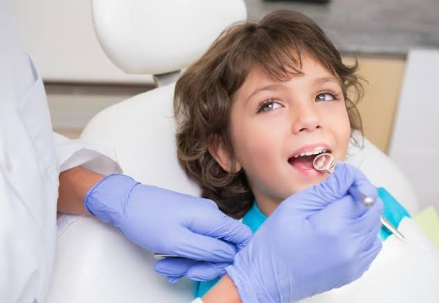
One dental home simplifies the process. You deal with one team, one set of records, and one consistent standard for preventive care. Children also tend to do better when dental visits feel familiar. A child who sees the same office as a parent or sibling often walks in with less fear because the place already feels known. That matters more than people think.
Good habits also become easier to reinforce when everyone hears the same message. Guidance on brushing, flossing, sealants, fluoride, diet, and routine exams becomes part of the family rhythm. For parents looking for age-based oral care habits, the CDC offers practical oral health tips for children, and adults can review these oral health tips for adults.
Seeing one dentist across life stages can improve prevention and early detection
Prevention is where long term care proves its worth. A dentist who knows your history can spot changes faster because they are comparing today with years of prior exams. That might mean noticing gum recession that is getting worse, wear from clenching, shifts in alignment, or signs that an older adult’s dentures no longer fit well.
Life stages bring different risks. Children may need cavity prevention and monitoring of growth. Teens may need help with sports guards, wisdom teeth, or orthodontic concerns. Adults often deal with grinding, gum disease, or skipped visits during busy years. Older adults may face dry mouth, root decay, and oral changes linked to medications or chronic conditions. The National Institute on Aging explains common concerns in taking care of your teeth and mouth.
A dentist who treats all of those stages can connect the dots. That is one reason many families prefer a dentist for all ages instead of piecing care together as needs arise.
Long term dental care can support clearer treatment decisions and steadier costs
Dental costs feel easier to manage when treatment is planned instead of reactive. If you only go in when something hurts, care often becomes more expensive, more urgent, and harder to fit into your budget. A provider who sees your family regularly can help sequence treatment, prioritize what matters now, and watch issues before they turn into emergencies.
That does not mean every problem can be prevented. Cavities happen. Crowns fail. Kids chip teeth. Adults crack fillings. Older adults may need restorations or denture adjustments. The difference is that an established provider often catches warning signs before they become painful and costly. You are less likely to hear a brand new office say you need a long list of treatment with no history to compare it against.
| Approach | What It Often Looks Like | Likely Result |
|---|---|---|
| One dentist over time | Shared records, familiar history, regular preventive visits, coordinated advice | Fewer missed details, steadier planning, less scheduling stress |
| Different dentists at each life stage | Repeated intake forms, changing recommendations, limited long term context | More fragmented care, more effort for caregivers, greater chance of delayed follow up |
| Problem based dental visits only | Appointments mainly for pain, breakage, or visible problems | Higher chance of urgent treatment and larger costs over time |
Trust builds when your dentist knows your family, not just your chart
Trust is easy to overlook until you need it. It shows up when a child is scared, when a teen resists treatment, when an adult needs a second opinion, or when an older parent has trouble explaining symptoms. A familiar dentist can make those conversations easier because the relationship is already there.
This matters for honesty too. People tend to say more when they feel known. They admit they stopped flossing, that their jaw hurts in the morning, that a denture rubs, or that cost is the reason treatment was delayed. Those details lead to better care. A generic service mention like a routine cleaning is one thing. Real dental care depends on context, history, and trust.
Three practical steps to choose the right family dentist
1. Look at life stage fit. Check whether the office regularly treats children, adults, and older patients. A true family dental practice should be comfortable with preventive care, restorative work, and age related concerns across the lifespan.
2. Ask how records and treatment planning are handled. You want a team that tracks history clearly and explains what needs attention now versus later. That alone can reduce stress and help you budget.
3. Pay attention to how the office communicates. The right provider does not rush you, talk over your concerns, or make you feel careless for falling behind. You need consistency, plain language, and a plan you can actually follow.
Choosing one family dentist can make dental care feel manageable again
When one provider follows your family through childhood, adulthood, and older age, dental care becomes easier to organize and easier to trust. The five biggest gains are simple. You get continuity, less stress, stronger prevention, better treatment planning, and a relationship that supports honest care. If your current setup feels scattered, switching to one family dentist can bring a lot of order back into the picture.
Start by booking routine visits for the people in your household and asking whether the office can support care across every stage of life.