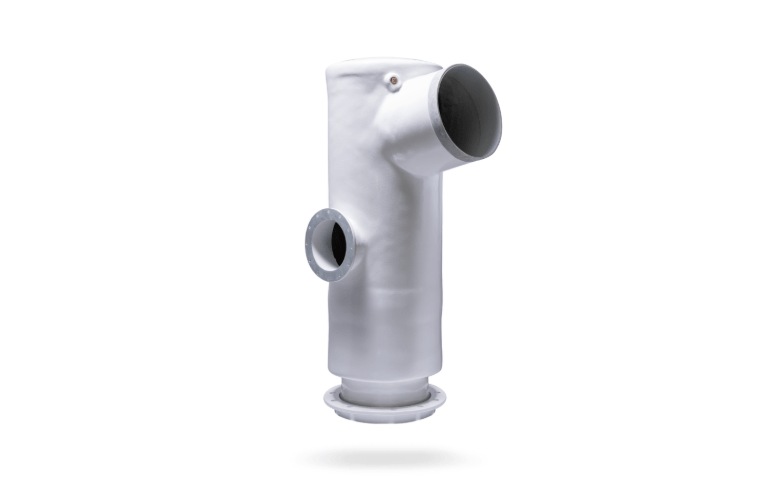

Marine engines are built to deliver power, reliability, and consistent performance in demanding environments. However, these engines also generate significant exhaust noise, which can affect crew comfort, onboard communication, and compliance with maritime noise regulations. This is where a marine dry exhaust silencer becomes an essential component in modern marine exhaust systems.
A marine dry exhaust silencer is specifically designed to reduce engine exhaust noise in marine vessels without using water injection. These silencers are commonly installed in commercial ships, fishing vessels, patrol boats, tugboats, offshore support vessels, and industrial marine applications where dry exhaust systems are preferred.
This article explores the function, types, benefits, applications, and selection process of marine dry exhaust silencers while highlighting why choosing the right manufacturer is critical for long-term performance and safety.
What Is a Marine Dry Exhaust Silencer?
A marine dry exhaust silencer is a noise attenuation device installed in the exhaust line of a marine engine. Its primary purpose is to reduce the high-decibel sound produced by exhaust gases before they are released into the atmosphere.
Unlike wet exhaust systems that use water to cool and suppress exhaust noise, dry exhaust systems rely entirely on insulation and acoustic engineering. The silencer handles extremely high temperatures while minimizing back pressure and maintaining engine efficiency.
A high-quality marine dry exhaust silencer is engineered to withstand:
- High exhaust temperatures
- Corrosive marine environments
- Continuous vibration
- Heavy-duty engine operation
- Harsh weather conditions
How Marine Dry Exhaust Silencers Work
Marine dry exhaust silencers work by controlling and dissipating sound waves generated by engine exhaust gases. Internal acoustic chambers, perforated tubes, insulation materials, and baffles help reduce noise levels without restricting exhaust flow.
The process generally includes:
- Exhaust gases enter the silencer
- Sound waves pass through acoustic chambers
- Noise energy is absorbed or reflected
- Reduced-noise exhaust exits the system
An efficiently designed marine dry exhaust silencer ensures effective noise reduction while maintaining proper engine performance.
Types of Marine Dry Exhaust Silencers
Different marine applications require different silencer designs. Manufacturers typically offer several types depending on vessel size, engine capacity, and noise reduction requirements.
Reactive Silencers
Reactive silencers use chambers and baffles to reflect sound waves and cancel noise frequencies.
Advantages:
- Effective for low-frequency engine noise
- Durable construction
- Suitable for large marine engines
Common applications:
- Cargo ships
- Tugboats
- Industrial marine vessels
Absorptive Silencers
These silencers use sound-absorbing insulation materials to reduce noise energy.
Advantages:
- Excellent high-frequency noise reduction
- Compact design
- Lightweight construction
Common applications:
- Patrol boats
- Fast marine vessels
- Smaller commercial boats
Combination Silencers
Combination silencers integrate reactive and absorptive technologies for broader noise control.
Advantages:
- Superior overall sound attenuation
- Balanced performance
- Suitable for strict marine noise standards
Spark Arrestor Silencers
Some marine dry exhaust silencers include spark arresting systems to improve fire safety in high-risk environments.
Common applications:
- Offshore platforms
- Oil and gas support vessels
- Hazardous marine environments
Importance of Marine Dry Exhaust Silencers
Marine engines operate continuously for long periods, often under heavy load. Without proper exhaust noise control, vessels can experience excessive sound levels that negatively affect operations and crew welfare.
Noise Reduction
The primary benefit of a marine dry exhaust silencer is effective noise suppression. Reduced noise improves onboard communication and creates a more comfortable environment for crew members.
Regulatory Compliance
Maritime authorities enforce strict noise regulations for commercial and industrial vessels. Proper silencer systems help operators comply with environmental and occupational safety standards.
Engine Performance Protection
Well-designed silencers minimize exhaust back pressure, ensuring optimal engine efficiency and fuel performance.
Enhanced Safety
Lower noise levels improve situational awareness and communication, which are essential for safe marine operations.
Thermal Protection
Marine dry exhaust systems operate at extremely high temperatures. Insulated silencers help reduce heat exposure within engine rooms and surrounding equipment areas.
Key Features of a High-Quality Marine Dry Exhaust Silencer
When selecting a marine dry exhaust silencer, vessel operators should evaluate several critical features.
Corrosion-Resistant Materials
Marine environments expose exhaust systems to saltwater, humidity, and harsh weather conditions. High-quality silencers are often manufactured using:
- Stainless steel
- Marine-grade steel
- Heat-resistant alloys
High-Temperature Resistance
Marine exhaust gases can exceed several hundred degrees Celsius. Durable insulation and thermal-resistant construction are essential for long-term reliability.
Low Back Pressure Design
An efficient marine dry exhaust silencer reduces noise without restricting exhaust flow. Excessive back pressure can decrease engine performance and increase fuel consumption.
Compact Construction
Space is often limited in marine engine rooms. Compact silencer designs improve installation flexibility without compromising performance.
Durability Under Vibration
Marine engines generate continuous vibration. Strong welded construction and reinforced supports help silencers withstand demanding operating conditions.
Applications of Marine Dry Exhaust Silencers
Marine dry exhaust silencers are used across a wide range of maritime sectors.
Commercial Shipping
Cargo vessels and container ships rely on heavy-duty exhaust silencers for continuous engine operation and regulatory compliance.
Fishing Vessels
Fishing boats often operate for extended periods at sea. Reduced engine noise improves crew comfort and operational efficiency.
Offshore Support Vessels
Offshore vessels require durable exhaust systems capable of handling harsh environments and heavy engine loads.
Naval and Patrol Boats
Noise reduction is critical for communication, operational efficiency, and mission performance.
Marine Power Generation
Marine generator systems use dry exhaust silencers to control engine noise in onboard power applications.
Benefits of Working with an Experienced Manufacturer
Choosing a trusted manufacturer is essential for obtaining reliable marine exhaust solutions.
Custom Engineering Solutions
Every vessel has unique exhaust system requirements. Experienced manufacturers provide customized silencer designs based on:
- Engine specifications
- Available installation space
- Noise reduction targets
- Temperature conditions
Advanced Acoustic Engineering
Professional manufacturers use advanced acoustic analysis to optimize silencer performance.
See also: Refrigerated Truck Bodies: A Complete Guide to Cold Chain Transport Solutions
Compliance with Marine Standards
A reputable marine dry exhaust silencer manufacturer ensures products comply with marine safety and classification standards.
Long-Term Reliability
High-quality manufacturing reduces maintenance needs and extends system lifespan.
Technical Support
Reliable manufacturers provide:
- Installation guidance
- Maintenance recommendations
- Spare parts support
- Performance testing
Factors to Consider Before Purchasing
Selecting the right marine dry exhaust silencer requires careful evaluation of operational requirements.
Engine Size and Power
Silencers must match engine airflow and exhaust volume requirements.
Noise Reduction Goals
Different vessels require different sound attenuation levels depending on operational regulations and comfort expectations.
Installation Space
Compact systems may be necessary for smaller vessels or confined engine rooms.
Operating Environment
Saltwater exposure, temperature, and engine load conditions affect material selection and system design.
Maintenance Accessibility
Easy access for inspection and servicing improves long-term operational efficiency.
Emerging Trends in Marine Exhaust Technology
The marine industry continues to adopt advanced exhaust technologies focused on efficiency and sustainability.
Lightweight Silencer Designs
Manufacturers are developing lighter systems that reduce vessel weight and improve fuel efficiency.
Improved Thermal Insulation
Advanced insulation materials improve safety and reduce heat transfer in engine compartments.
Enhanced Acoustic Performance
Modern silencers provide higher noise reduction levels while maintaining low exhaust resistance.
Environmentally Friendly Manufacturing
Sustainable manufacturing practices and recyclable materials are becoming increasingly important in marine equipment production.
Common Maintenance Practices
Proper maintenance extends the lifespan and performance of marine dry exhaust silencers.
Regular Inspection
Inspect for:
- Corrosion
- Cracks
- Loose supports
- Insulation damage
Cleaning
Remove soot and exhaust residue buildup that may affect airflow performance.
Thermal Insulation Checks
Damaged insulation can increase heat exposure and reduce efficiency.
Exhaust Leak Testing
Leaks can increase noise levels and create safety hazards.
Conclusion
A marine dry exhaust silencer plays a critical role in controlling exhaust noise, improving onboard safety, and maintaining efficient marine engine operation. As marine industries continue to prioritize crew comfort, regulatory compliance, and operational reliability, the demand for advanced silencer systems continues to grow.
From commercial shipping and fishing vessels to offshore support boats and marine power systems, high-quality dry exhaust silencers provide long-term performance in demanding marine environments. Choosing an experienced manufacturer ensures access to durable materials, advanced acoustic engineering, and customized solutions tailored to vessel requirements.
Businesses and vessel operators investing in reliable marine dry exhaust silencer systems benefit from reduced noise levels, improved engine efficiency, enhanced safety, and lower maintenance costs. For dependable and high-performance marine exhaust solutions designed for harsh maritime conditions, contact us