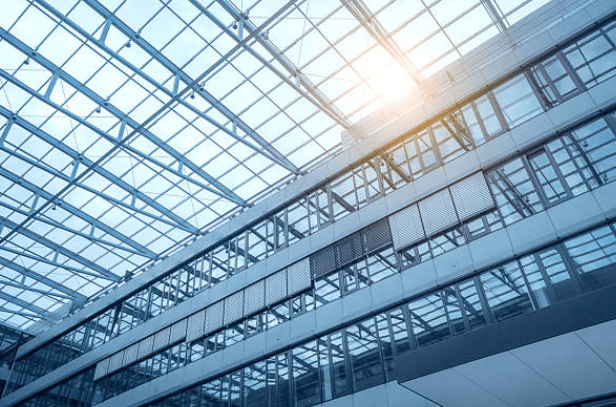
Natural lighting has become a defining feature of modern architecture, especially in commercial and industrial buildings where efficiency and occupant comfort matter. Among the most effective daylighting solutions available today are flat roof dome skylights. These systems are widely used across offices, warehouses, schools, healthcare facilities, and retail spaces due to their durability, versatility, and ability to bring consistent natural light into interior environments.
Unlike traditional windows or flat glazing systems, dome skylights are specifically engineered to perform well on flat or low-slope roofs. Their curved shape, weather-resistant design, and advanced glazing materials make them a reliable solution in a wide range of climates and building types.
This article explores how flat roof dome skylights work, their key benefits, design considerations, and real-world applications across different industries.
What Are Flat Roof Dome Skylights?
Flat roof dome skylights are raised, dome-shaped daylighting structures installed on flat or near-flat roofs. They are designed to capture and diffuse natural sunlight into interior spaces below.
Typically made from materials such as acrylic, polycarbonate, or tempered glass, these skylights are engineered to withstand environmental stress while maximizing daylight penetration.
The dome shape is not just aesthetic. It plays an important structural and functional role by:
- Allowing rainwater and snow to slide off easily
- Reducing wind resistance
- Enhancing light diffusion
- Improving impact resistance
Because of these advantages, flat roof dome skylights are a popular choice for commercial and industrial buildings that require reliable and low-maintenance daylighting solutions.
Why Flat Roof Buildings Benefit from Dome Skylights
Flat roof structures often present challenges when it comes to natural lighting. Unlike pitched roofs, they do not naturally accommodate traditional skylight systems. This is where flat roof dome skylights offer a practical and efficient solution.
Their design allows them to be installed directly onto flat surfaces without compromising waterproofing or structural integrity.
Key advantages for flat roof applications include:
- Easy integration with existing roofing systems
- Reduced risk of water pooling and leakage
- Better performance in heavy rainfall conditions
- Improved thermal efficiency when properly glazed
For example, large distribution centers with flat roofs can install multiple dome skylights evenly across the roof surface to ensure consistent daylight distribution throughout the facility.
Key Benefits of Flat Roof Dome Skylights
Enhanced Natural Lighting
One of the most important benefits of flat roof dome skylights is their ability to bring consistent daylight into interior spaces.
The curved dome structure captures sunlight from multiple angles throughout the day, ensuring more even light distribution compared to flat glazing systems.
This is particularly beneficial in large open-plan spaces such as warehouses or gymnasiums where natural light is often limited.
Benefits include:
- Reduced reliance on artificial lighting
- Improved visibility across large floor areas
- More comfortable working environments
Energy Efficiency and Cost Savings
Energy consumption is a major concern for commercial buildings. Lighting alone can account for a significant portion of electricity usage.
Flat roof dome skylights help reduce energy costs by minimizing the need for artificial lighting during daylight hours.
Modern systems often incorporate energy-efficient materials such as:
- Multi-wall polycarbonate
- Low-emissivity coatings
- Double or triple glazing options
For instance, a manufacturing facility operating during daytime hours can significantly reduce lighting expenses by installing strategically placed dome skylights across production areas.
Over time, these savings can offset the initial installation costs.
Durability and Weather Resistance
Flat roof dome skylights are designed to withstand harsh environmental conditions.
Their dome shape naturally deflects wind pressure and prevents water accumulation, making them highly effective in regions with heavy rainfall or snowfall.
High-quality materials such as polycarbonate also offer:
- Impact resistance against hail or debris
- UV protection to prevent material degradation
- Long-term structural stability
This durability makes them ideal for industrial environments where reliability is essential.
Improved Indoor Comfort and Productivity
Natural light plays a critical role in occupant comfort and well-being.
Buildings that incorporate flat roof dome skylights often experience:
- Better mood and morale among occupants
- Reduced eye strain
- Increased productivity
- More inviting indoor environments
For example, in office environments, employees working under natural daylight conditions tend to report higher levels of satisfaction compared to those in artificially lit spaces.
Educational institutions also benefit, as classrooms with skylights create brighter and more engaging learning environments.
Low Maintenance Requirements
Another advantage of flat roof dome skylights is their relatively low maintenance needs.
Because of their curved design, dirt and debris are less likely to accumulate compared to flat skylight systems. Rainwater naturally helps clean the surface.
Maintenance typically involves:
- Periodic inspection of seals and flashing
- Cleaning the dome surface
- Checking for cracks or wear over time
With proper installation, these skylights can provide long-term performance with minimal upkeep.
Types of Flat Roof Dome Skylights
Different types of dome skylights are available depending on building requirements and performance goals.
See also: Certified IT Asset Disposition Services for Safe Equipment Retirement
Fixed Dome Skylights
Fixed dome skylights are non-opening units designed solely for daylighting.
They are commonly used in:
- Warehouses
- Retail stores
- Industrial buildings
They provide consistent natural light without ventilation functionality.
Ventilated Dome Skylights
Ventilated versions allow airflow in addition to daylight.
These can be manually or automatically operated and are often used in:
- Manufacturing facilities
- Kitchens
- Workshops
Ventilation helps reduce heat buildup and improves indoor air quality.
Impact-Resistant Dome Skylights
These skylights are designed for environments where safety and durability are critical.
They are commonly installed in:
- Schools
- Sports facilities
- Public buildings
Their reinforced materials provide additional protection against impact and vandalism.
Multi-Dome Skylight Systems
In large buildings, multiple dome skylights are installed in a grid pattern across the roof.
This ensures uniform daylight distribution and reduces shadowed areas.
Design Considerations for Flat Roof Dome Skylights
Roof Structure Compatibility
Before installation, engineers evaluate the roof’s load-bearing capacity and waterproofing system.
Proper integration ensures:
- No structural stress on the roof
- Effective drainage around skylight bases
- Long-term weatherproofing
Glazing Material Selection
The choice of glazing significantly impacts performance.
Common materials include:
- Acrylic: Lightweight and cost-effective
- Polycarbonate: Highly durable and impact-resistant
- Glass: Premium appearance with high clarity
Each option offers different levels of insulation, strength, and light transmission.
Thermal Performance
Modern flat roof dome skylights are designed to improve energy efficiency while controlling heat gain.
Features may include:
- Insulated glazing layers
- UV-filtering coatings
- Thermal breaks in framing systems
These features help maintain indoor comfort throughout the year.
Daylight Control
While natural light is beneficial, excessive sunlight can create glare and overheating.
To manage this, designers may incorporate:
- Diffusing lenses
- Tinted glazing
- Internal shading systems
Proper daylight control ensures a balanced indoor environment.
Industry Applications of Flat Roof Dome Skylights
Warehouses and Distribution Centers
Warehouses often have large, open spaces with limited access to natural light.
Flat roof dome skylights help improve visibility and reduce energy costs across vast storage areas.
For example, logistics hubs use evenly spaced skylights to ensure safe navigation for forklift operators and staff.
Retail and Commercial Spaces
Retail stores benefit from bright, naturally lit interiors that enhance product visibility and customer experience.
Shopping centers often install dome skylights in corridors and common areas to create more inviting environments.
Educational Facilities
Schools and universities use skylights to improve learning environments.
Natural light has been shown to enhance concentration and reduce fatigue among students.
Healthcare Buildings
Hospitals and clinics use dome skylights to create calming environments for patients and staff.
Natural lighting contributes to stress reduction and supports recovery-focused design principles.
Manufacturing Facilities
Factories often require strong, consistent lighting for safety and precision work.
Flat roof dome skylights reduce dependence on artificial lighting while maintaining visibility across production floors.
Installation and Maintenance Best Practices
Proper installation is essential for long-term performance.
Key best practices include:
- Ensuring correct flashing and sealing
- Using high-quality waterproof membranes
- Aligning skylights with structural supports
- Conducting post-installation inspections
Maintenance should be scheduled regularly to ensure continued efficiency and durability.
Common Challenges and How to Address Them
Leakage Issues
Leaks are typically caused by poor installation rather than product failure.
Using experienced installers and proper sealing systems helps prevent this problem.
Heat Gain
Without proper glazing, skylights can increase indoor temperatures.
Solutions include:
- Low-E coatings
- Double glazing
- Diffused dome designs
Glare Control
Excessive brightness can create discomfort in certain environments.
This can be managed through:
- Diffusing panels
- Strategic placement
- Interior shading systems
Future Trends in Dome Skylight Technology
The skylight industry continues to evolve with advancements in materials and smart building integration.
Emerging trends include:
- Smart ventilated skylights with automated controls
- High-performance insulating polycarbonate systems
- Integration with building energy management systems
- Sustainable and recyclable materials
These innovations are making flat roof dome skylights more efficient, intelligent, and environmentally friendly than ever before.
Conclusion
Flat roof dome skylights offer a practical, durable, and energy-efficient solution for bringing natural light into commercial and industrial buildings. Their unique design makes them ideal for flat roof structures, while their performance benefits extend to energy savings, improved occupant comfort, and enhanced architectural value.
From warehouses and schools to healthcare and retail environments, these skylights continue to play a vital role in modern building design. As technology advances, their efficiency and versatility will only continue to improve, making them a smart investment for a wide range of applications. For tailored skylight solutions that enhance your building’s performance and aesthetics, contact us