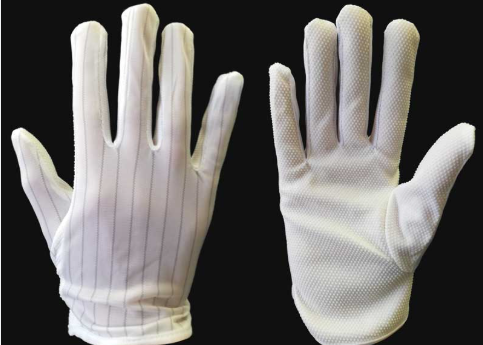
Selecting the best puncture resistant gloves for your specific work environment requires understanding both the nature of the puncture hazards present and the performance characteristics of available gloves. This guide provides a systematic approach to making that decision with confidence.
Assessing Your Puncture Hazard Profile
Types of Puncture Hazards
Puncture hazards vary widely in character. Thin wire and nails require resistance to narrow, concentrated forces. Broken glass and ceramic fragments create broad, irregular edges. Needles and syringes present pathogen-contamination risks in addition to physical puncture hazards.
Identifying the specific type, frequency, and severity of puncture exposure in your environment is the foundation of selecting the right glove. A hazard assessment should document the objects workers handle, the forces they exert, and the consequences of a glove failure in your specific context.
Evaluating Glove Performance Ratings
The EN 388 standard provides a consistent framework for comparing puncture resistance between products. Ratings range from 1 to 4, with level 4 representing the highest resistance to a standardized test probe. However, the EN 388 puncture test uses a specific probe shape that may not represent all real-world puncture hazards.
For needle stick protection, look for gloves tested against the EN 388:2016 TDM-100 coil probe test, which is more relevant to wire and needle hazards than the older test method.
Balancing Multiple Protection Requirements
In many work environments, puncture resistance is just one of several protection requirements. Workers may also need cut resistance, chemical protection, heat resistance, or grip in wet conditions. Understanding which properties must be present simultaneously helps narrow the choice to gloves that genuinely serve the job.
Consult with a safety products specialist or the glove manufacturer when multiple performance requirements must be balanced. Combining different glove types — such as a cut-resistant liner under a chemical resistant outer glove — can sometimes achieve better overall protection than a single product.
See also: Deep Cleaning Service Hong Kong: Professional Cleaning Solutions for Healthier Living Spaces
Frequently Asked Questions
Q: Are puncture resistant gloves the same as cut resistant gloves?
A: No. Cut resistance and puncture resistance are separate properties tested differently. Some gloves offer both, but high ratings in one category do not guarantee adequate performance in the other.
Q: What is the highest puncture resistance rating available?
A: Under EN 388, the highest rating is level 4. Some manufacturers offer products tested to even more demanding protocols for specialized applications such as sharps handling in healthcare.
Q: Do puncture resistant gloves expire?
A: Yes. Gloves degrade over time even if unused. Follow manufacturer guidance on shelf life, typically two to three years from manufacture date, and discard gloves that show any signs of material degradation.
Conclusion
Finding the best puncture resistant gloves means matching performance ratings to the real hazards in your workplace, balancing protection with the dexterity and comfort workers need to stay best puncture resistant gloves productive. A systematic evaluation process, combined with input from workers and safety professionals, will consistently lead to better outcomes than simply buying the most highly rated product available.