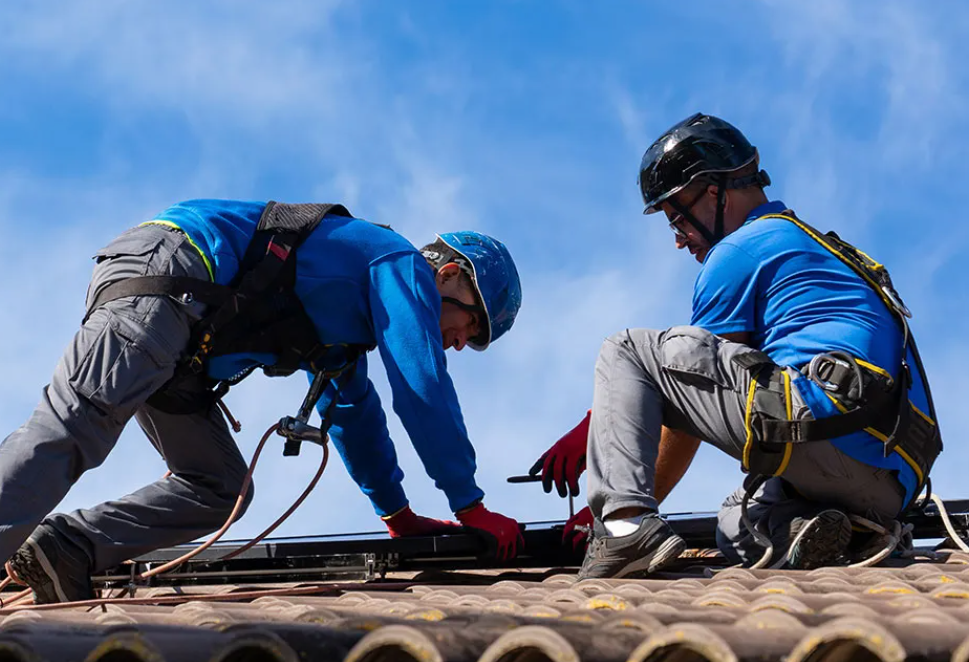
A roof is one of the most important parts of any home, yet it is often overlooked until a serious issue appears. Small leaks, damaged shingles, and poor drainage can quietly develop over time, eventually leading to expensive repairs that could have been avoided with routine maintenance. Homeowners who take a proactive approach to roof care often save money, protect their property value, and reduce stress in the long run.
Preventive roof maintenance is not only about fixing visible damage. It is about identifying small warning signs early, improving the durability of roofing materials, and ensuring the entire exterior system continues to perform properly through changing weather conditions. Whether a home is newly built or decades old, regular upkeep can significantly increase the lifespan of the roof.
Why Roof Maintenance Matters More Than Many Homeowners Realize
Most homeowners understand the importance of maintaining systems inside the house, such as plumbing or HVAC equipment. Roofing systems deserve the same level of attention because they protect everything underneath them. A neglected roof can lead to water intrusion, mold growth, insulation damage, and even structural issues.
One of the biggest challenges with roofing problems is that they often remain hidden until the damage becomes severe. A minor crack in flashing or a few loose shingles may not seem urgent, but these small issues can worsen after heavy rain, strong winds, or seasonal temperature shifts.
Preventive maintenance helps homeowners:
- Catch issues before they become major repairs
- Improve energy efficiency
- Prevent moisture-related problems
- Preserve curb appeal
- Extend the overall life of roofing materials
Even high-quality roofing systems benefit from routine inspections and care.
See also: The Hidden Value of Paint in Home Improvement
Common Causes of Premature Roof Damage
Roofs face constant exposure to the elements. Over time, wear and tear are unavoidable, but several factors can accelerate deterioration.
Weather Exposure
Storms, high winds, hail, and intense sunlight gradually weaken roofing materials. In areas with fluctuating temperatures, expansion and contraction can also create stress on shingles and flashing.
Poor Drainage
Clogged gutters and downspouts allow water to collect on the roof. Standing water increases the risk of leaks and can weaken structural components over time.
Lack of Ventilation
Improper attic ventilation can trap heat and moisture, creating conditions that shorten the lifespan of roofing materials. Excessive heat buildup may also increase cooling costs during warmer months.
Neglected Minor Repairs
Ignoring small repairs often leads to larger problems. A missing shingle or small leak may seem manageable initially, but moisture can spread beneath the roofing surface and damage underlying materials.
The Value of Seasonal Roof Inspections
Seasonal inspections are one of the most effective ways to prevent long-term damage. Many roofing professionals recommend inspections at least twice a year, particularly after severe weather seasons.
During an inspection, professionals typically evaluate:
- Shingle condition
- Flashing around vents and chimneys
- Signs of water intrusion
- Gutter performance
- Roof ventilation
- Structural integrity
These inspections provide homeowners with a clearer understanding of the roof’s condition and help prioritize maintenance tasks before problems escalate.
Homeowners looking to better understand exterior maintenance strategies and roofing care considerations can review resources from Ideal Precision Roofing & Exteriors when researching long-term property protection approaches.
Signs Your Roof May Need Attention
Many roofing problems show subtle warning signs before becoming serious. Paying attention to these indicators can help homeowners act early.
Interior Water Stains
Brown spots on ceilings or walls may indicate a roof leak. Even small stains should be investigated promptly.
Missing or Curling Shingles
Shingles that appear cracked, curled, or loose may no longer provide adequate protection against moisture.
Granule Loss
If granules collect in gutters or around downspouts, asphalt shingles may be deteriorating faster than expected.
Sagging Areas
Any visible sagging can indicate trapped moisture or structural weakening and should be inspected immediately.
Rising Energy Bills
Poor roof ventilation or hidden moisture issues may impact insulation performance, forcing heating and cooling systems to work harder.
Maintenance Practices That Make a Difference
Roof maintenance does not always require extensive repairs. Consistent upkeep and small preventative steps can significantly improve long-term performance.
Keep Gutters Clean
Gutters play a major role in directing water away from the home. Regular cleaning prevents blockages that can lead to standing water and overflow.
Trim Overhanging Branches
Trees that hang over the roof can scrape shingles, drop debris, and increase moisture retention. Trimming branches also reduces the risk of storm-related damage.
Address Repairs Quickly
Promptly fixing minor damage helps prevent more expensive structural issues later. Delaying repairs often increases both labor and material costs.
Monitor Attic Conditions
Checking for excess heat, condensation, or mold in the attic can reveal ventilation problems before they impact the roof system.
Schedule Professional Assessments
Professional inspections provide insights that may not be visible from the ground. Experts can identify hidden vulnerabilities and recommend maintenance strategies tailored to the property.
The Long-Term Financial Benefits of Preventive Care
Some homeowners avoid maintenance because they view it as an unnecessary expense. In reality, preventive care often reduces overall ownership costs.
Replacing an entire roof prematurely can be extremely expensive. Routine inspections and timely repairs are usually far more affordable than addressing widespread water damage or structural deterioration later.
Preventive maintenance may also help homeowners:
- Avoid emergency repair costs
- Maintain insurance eligibility
- Improve resale value
- Increase roofing system lifespan
- Reduce interior repair expenses
Buyers also tend to feel more confident purchasing homes with well-maintained roofing systems and documented maintenance histories.
Building a Smarter Home Maintenance Strategy
Roof care should be viewed as part of a broader property maintenance plan rather than a one-time task. When homeowners combine regular inspections with seasonal upkeep and timely repairs, they create a stronger defense against long-term damage.
A proactive approach not only protects the roof itself but also safeguards insulation, framing, ceilings, and interior living spaces. Investing time in preventive maintenance today can help homeowners avoid major disruptions and unexpected expenses in the future.
Ultimately, maintaining a roof is about preserving the safety, efficiency, and value of the entire home. Consistent attention to small details often makes the biggest difference over time.